Close Menu
ceofeature.com

    Subscribe to Updates

    Subscribe to our newsletter for the latest leadership tips, exclusive interviews, and expert advice from top CEOs. Simply enter your email below and stay ahead of the curve!.

    What's Hot

    OpenAI Launches Codex and an AI Coding Workspace, Escalating the Battle for Developers

    February 7, 2026

    Mercedes CEO’s Last Shot at the Luxury Crown Hinges on a Revamped S-Class

    February 7, 2026

    New Anthropic AI Tool Sparks $285 Billion Rout Across Global Markets

    February 7, 2026
    Facebook X (Twitter) Instagram
    ceofeature.com
    ceofeature.com
    ceofeature.com
    • Home
    • Business
    • Lifestyle
    • CEO News
    • Investing
    • Opinion
    • Market
    • Magazine
    Facebook X (Twitter) Instagram YouTube
    Subscribe
    ceofeature.com
    Home Meta wins AI copyright case, judge welcomes other to bring lawsuits
    Business

    Meta wins AI copyright case, judge welcomes other to bring lawsuits

    Daniel snowBy Daniel snowJune 26, 20253 Mins Read
    Share
    Facebook Twitter LinkedIn Pinterest Email Copy Link


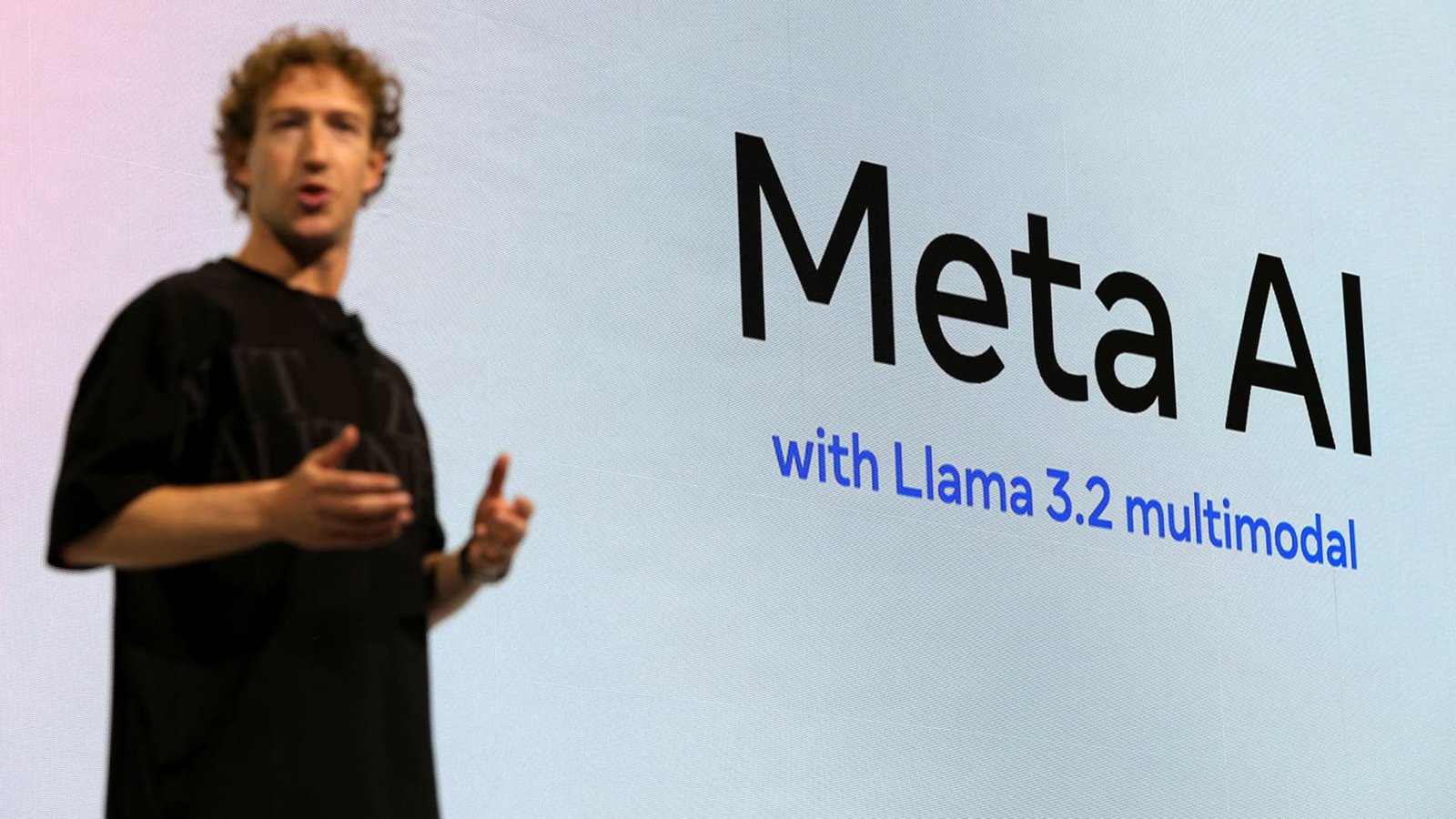
    Meta CEO Mark Zuckerberg makes a keynote speech during the Meta Connect annual event, at the company’s headquarters in Menlo Park, California, on Sept. 25, 2024.

    Manuel Orbegozo | Reuters


    Meta on Wednesday prevailed against a group of 13 authors in a major copyright case involving the company’s Llama artificial intelligence model, but the judge made clear his ruling was limited to this case.

    U.S. District Judge Vince Chhabria sided with Meta’s argument that the company’s use of books to train its large language models, or LLMs, is protected under the fair use doctrine of U.S. copyright law.

    Lawyers representing the plaintiffs, including Sarah Silverman and Ta-Nehisi Coates, alleged that Meta violated the nation’s copyright law because the company did not seek permission from the authors to use their books for the company’s AI model, among other claims.

    Notably, Chhabria said that it “is generally illegal to copy protected works without permission,” but in this case, the plaintiffs failed to present a compelling argument that Meta’s use of books to train Llama caused “market harm.” Chhabria wrote that the plaintiffs had put forward two flawed arguments for their case.

    “On this record Meta has defeated the plaintiffs’ half-hearted argument that its copying causes or threatens significant market harm,” Chhabria said. “That conclusion may be in significant tension with reality.”

    Meta’s practice of “copying the work for a transformative purpose” is protected by the fair use doctrine, the judge wrote.

    “We appreciate today’s decision from the Court,” a Meta spokesperson said in a statement. “Open-source AI models are powering transformative innovations, productivity and creativity for individuals and companies, and fair use of copyright material is a vital legal framework for building this transformative technology.”

    Though there could be valid arguments that Meta’s data training practice negatively impacts the book market, the plaintiffs did not adequately make their case, the judge wrote.

    Attorneys representing the plaintiffs did not respond to a request for comment.

    Still, Chhabria noted several flaws in Meta’s defense, including the notion that the “public interest” would be “badly disserved” if the company and other businesses were prohibited “from using copyrighted text as training data without paying to do so.”

    “Meta seems to imply that such a ruling would stop the development of LLMs and other generative AI technologies in its tracks,” Chhabria wrote. “This is nonsense.”

    The judge left the door open for other authors to bring similar AI-related copyright lawsuits against Meta, saying that “in the grand scheme of things, the consequences of this ruling are limited.”

    “This is not a class action, so the ruling only affects the rights of these thirteen authors — not the countless others whose works Meta used to train its models,” he wrote. “And, as should now be clear, this ruling does not stand for the proposition that Meta’s use of copyrighted materials to train its language models is lawful.”

    Additionally, Chhabria noted that there is still a pending, separate claim made by the plaintiffs alleging that Meta “may have illegally distributed their works (via torrenting).”

    Earlier this week, a federal judge ruled that Anthropic‘s use of books to train its AI model Claude was also “transformative,” thus satisfying the fair use doctrine. Still, that judge said that Anthropic must face a trial over allegations that it downloaded millions of pirated books to train its AI systems.”

    “That Anthropic later bought a copy of a book it earlier stole off the internet will not absolve it of liability for the theft, but it may affect the extent of statutory damages,” the judge wrote.

    WATCH: Meta pushes back on ban of WhatsApp on devices used by House of Representatives.

    Meta pushes back on ban of WhatsApp on devices used by House of Representatives staffers


    Source link

    Follow on Google News Follow on Flipboard
    Share. Facebook Twitter Pinterest LinkedIn Tumblr Email
    Daniel snow
    • Website

    Related Posts

    New Anthropic AI Tool Sparks $285 Billion Rout Across Global Markets

    February 7, 2026

    PayPal Dumps CEO in Surprise Shake-Up, Poaches HP’s Top Executive as Replacement

    February 7, 2026

    Matthew Steven Attalla, aka Mateo: True Disruptor of the Fitness World

    February 2, 2026
    Leave A Reply Cancel Reply

    Top Posts

    What Happens When a Teen Prodigy Becomes a Power CEO?

    September 15, 2025

    Acun Ilıcalı and Esat Yontunç Named in Expanding Investigation as Authorities Remain Silent

    January 27, 2026

    Queen of the North: How Ravinna Raveenthiran is Redefining Real Estate with Resilience and Compassion

    October 22, 2024

    Redefining leadership and unlocking human potential, Meet Janice Elsley

    June 4, 2025
    Don't Miss

    OpenAI Launches Codex and an AI Coding Workspace, Escalating the Battle for Developers

    By Daniel snowFebruary 7, 2026

    With the launch of Codex and a fully integrated AI coding workspace, OpenAI has made…

    Mercedes CEO’s Last Shot at the Luxury Crown Hinges on a Revamped S-Class

    February 7, 2026

    New Anthropic AI Tool Sparks $285 Billion Rout Across Global Markets

    February 7, 2026

    Bob Iger Left Disney Just Before COVID Exploded. Will His Second Exit Bring Another Plot Twist?

    February 7, 2026
    Stay In Touch
    • Facebook
    • Twitter

    Subscribe to Updates

    Subscribe to our newsletter for the latest leadership tips, exclusive interviews, and expert advice from top CEOs. Simply enter your email below and stay ahead of the curve!.

    About Us
    About Us

    Welcome to CEO Feature, where we dive deep into the exhilarating world of entrepreneurs and CEOs from across the globe! Brace yourself for captivating stories that will blow your mind and leave you inspired.

    Facebook X (Twitter)
    Featured Posts

    The Art of Private Luxury – Vanke Jinyu Huafu by Mr. Tony Tandijono

    September 28, 2018

    5 Simple Tips to Take Care of Larger Air Balloons

    January 4, 2020

    5 Ways Your Passport Can Ruin Your Cool Holiday Trip

    January 5, 2020
    Worldwide News

    5 Flavoursome Pizza Shops you Should Check Out in Toronto

    January 13, 20210

    Save $90 on The HS700E 4K Drone, An Ideal Beginner

    January 14, 20210

    Cryptographers Are Not Happy With How Using the Word ‘Crypto’

    January 14, 20210
    • www.ceofeature.com
    @2025 copyright by ceofeature

    Type above and press Enter to search. Press Esc to cancel.