

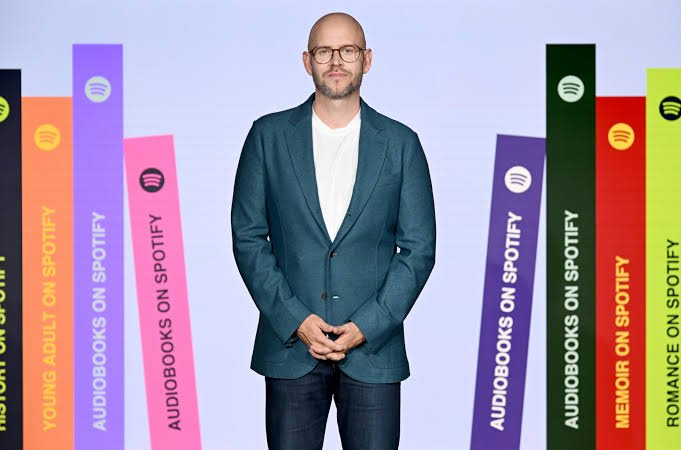
Spotify is widely known as one of the world’s biggest music streaming platforms. But under CEO and co-founder Daniel Ek, the company has been moving beyond music to build a much broader creator economy. Podcasts, video, audiobooks, advertising, and new creator tools are becoming important parts of Spotify’s long-term strategy.
The goal is simple: Spotify wants to become a major platform where creators can publish content, connect with audiences, and earn money—not just a place where people listen to songs.
Who Is Daniel Ek?
Daniel Ek is the Swedish entrepreneur who co-founded Spotify in 2006. He has served as the company’s CEO and played a major role in shaping its global strategy.
Ek helped build Spotify around a simple idea: make it easy for people to legally access a huge amount of music through the internet. Over time, Spotify expanded from a music streaming service into a broader audio and media platform.
Today, Ek’s vision is increasingly focused on creators and the different ways they can reach audiences and generate revenue.
Why Is Spotify Moving Beyond Music?
Music remains at the heart of Spotify, but the company operates in a highly competitive industry. Music licensing also involves significant costs because streaming platforms pay rights holders for the music they distribute.
Expanding into other forms of content gives Spotify additional opportunities for growth.
Podcasts were one of Spotify’s biggest moves beyond music. The company invested heavily in podcast technology, creator tools, exclusive content, and podcast advertising.
Spotify has also expanded into audiobooks and video, giving users more types of content within the same platform.
This broader strategy can help Spotify increase the amount of time users spend on its platform while creating additional business opportunities.
Podcasts Became a Major Part of Spotify’s Strategy
Podcasting has played an important role in Spotify’s transformation.
The platform allows creators to publish podcasts and reach listeners around the world. Spotify has also developed tools designed to help creators understand their audiences, distribute content, and monetize their work.
For podcast creators, the attraction is clear: instead of relying only on traditional media companies, independent creators can build their own audiences and businesses.
Spotify benefits as well because popular podcasts can attract users, advertising revenue, and more engagement.
Spotify Is Becoming a Video Platform
Another important development is Spotify’s growing focus on video.
Many creators now produce video versions of podcasts and other content. YouTube has demonstrated how powerful video can be for creator businesses, and Spotify wants to compete for some of that audience attention.
Video can make podcasts more engaging and provide creators with additional ways to connect with fans.
For Spotify, adding video also means the platform can become more competitive in the wider digital content market.
Audiobooks Expand Spotify’s Content Ecosystem
Audiobooks are another major area of expansion.
Spotify has introduced audiobooks in several markets, allowing users to discover books alongside music and podcasts. This gives the company access to another large digital entertainment category.
For publishers, authors, and narrators, Spotify can provide another distribution channel.
For users, the benefit is convenience: music, podcasts, and audiobooks can increasingly be accessed through one platform.
What Is the Creator Economy?
The creator economy refers to the growing digital business ecosystem in which individuals create content and earn income from their audiences.
Creators can include musicians, podcasters, authors, video creators, educators, and other independent professionals.
Revenue can come from advertising, subscriptions, sponsorships, memberships, content sales, and other business models.
Spotify’s broader strategy fits into this trend because it is trying to provide creators with tools to publish, reach audiences, and monetize their work.
How Daniel Ek’s Vision Could Change Spotify
Daniel Ek’s strategy could turn Spotify from a music-first service into a more complete creator and entertainment platform.
Imagine a Spotify user discovering a musician, watching the artist’s video, listening to their podcast, following their updates, and purchasing or supporting their content—all within one ecosystem.
That type of experience could increase engagement and create new opportunities for both Spotify and creators.
The company also has access to valuable information about how users consume content. When used responsibly, audience insights can help creators understand what their fans enjoy and improve their content strategies.
What Does This Mean for Creators?
Spotify’s expansion could provide creators with more opportunities to reach global audiences.
A musician can distribute songs. A podcaster can publish episodes. An author can reach audiobook listeners. A video creator can connect with audiences through visual content.
The bigger opportunity is that these formats can work together.
For example, a creator could release a podcast episode, publish a video version, promote related music, and build a community around the same audience.
This creates a more connected creator business rather than relying on only one type of content.
Can Spotify Compete With YouTube and Other Platforms?
Competition will be one of Spotify’s biggest challenges.
YouTube remains extremely strong in online video, while Apple, Amazon, Audible, TikTok, and other platforms compete across different parts of the digital entertainment market.
Spotify therefore needs to give creators strong reasons to stay on its platform.
Better discovery, monetization tools, analytics, audience engagement, and global distribution could become important advantages.
The Future of Spotify
Spotify’s future may look very different from the company’s early years.
Music is likely to remain its foundation, but the platform is becoming more diversified. Podcasts, video, audiobooks, advertising, and creator-focused technology are all part of a broader strategy.
Daniel Ek’s long-term vision appears to be centered on creating a platform where creators can build audiences and businesses while users can discover many types of content in one place.
If Spotify succeeds, it could become more than a music streaming company. It could become a major global platform for the creator economy.
