

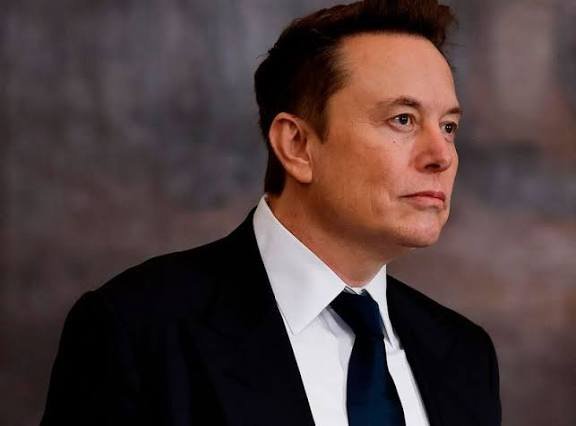
Elon Musk is no longer known only as the CEO of Tesla or the founder of SpaceX. His business interests now stretch across electric vehicles, space technology, artificial intelligence, social media, robotics, and other advanced technologies.
The bigger picture is important because Musk’s companies are increasingly connected by a common idea: using technology to change how people move, communicate, work, and eventually live beyond Earth.
Tesla, SpaceX, xAI and X may look like very different businesses, but their technologies can overlap. In 2026, those connections have become even more important as Musk’s companies move closer together.
Who Is Elon Musk?
Elon Musk is a technology entrepreneur best known for leading Tesla and SpaceX. He has also been involved with X, formerly Twitter, and founded xAI to develop advanced artificial intelligence.
Tesla describes Musk as its CEO and one of its founders. SpaceX, meanwhile, has become one of the most important private space companies in the world. His broader business portfolio also includes companies such as Neuralink and The Boring Company.
Musk’s approach is unusual. Instead of focusing on one industry, he has built businesses around technologies that could influence the future.
Tesla: Building the Physical Side of AI
Tesla is best known for electric vehicles, but its ambitions go beyond selling cars.
The company is investing heavily in artificial intelligence, autonomous driving, robotics and energy products. Tesla has described its strategy as bringing AI into the physical world, while xAI has focused on digital AI systems such as Grok.
This creates an important connection.
An AI system can understand information digitally, while Tesla’s vehicles and robots can potentially use AI to interact with the physical world.
That could eventually mean smarter cars, autonomous transportation and robots capable of performing useful tasks.
SpaceX: Making Space More Accessible
SpaceX is Musk’s space technology company. Its work has focused on rockets, spacecraft and satellite communications.
The company’s reusable rocket technology has helped change the economics of launching payloads into space. Its Starlink satellite network has also become an important part of the company’s broader business.
Musk has repeatedly spoken about making humanity a multiplanetary civilization. That long-term goal makes SpaceX different from a traditional aerospace company.
The company is not simply focused on launching rockets. Its larger vision involves creating infrastructure that could support a much more active human presence in space.
xAI: Building the Intelligence Layer
Artificial intelligence is another major part of Musk’s business strategy.
xAI was created to develop advanced AI systems, with Grok becoming its best-known product. The company says its mission is to accelerate human scientific discovery and build AI capable of helping people understand the universe.
xAI has also invested heavily in computing infrastructure. Its Colossus supercomputer has been developed to provide the computing power required to train and operate advanced AI models.
The important point is that AI can connect many of Musk’s other businesses.
AI could help Tesla develop autonomous vehicles and robots. It could support space-related research. It could power digital services on X. In the long term, advanced AI could also become an important tool for scientific research.
X: More Than a Social Media Platform
X, formerly known as Twitter, gives Musk access to a huge digital communication platform.
The platform is increasingly connected with AI through Grok. This creates a potential combination of social media, real-time information and artificial intelligence.
Instead of using X only to post messages and videos, users can potentially interact with AI, search for information and discover content through an integrated digital ecosystem.
Musk has long discussed the idea of turning X into a broader platform rather than simply another social network.
The Major Change: xAI and SpaceX
One of the biggest developments in Musk’s corporate structure came in 2026.
SpaceX announced that it had acquired xAI on February 2, 2026. This brought the space company and the AI business under the same corporate structure.
That combination is significant.
SpaceX has rockets, satellites, engineering infrastructure and access to space. xAI has AI models and large-scale computing capabilities.
Together, these technologies could support future projects involving AI-powered space systems, advanced robotics, satellite services and scientific research.
Tesla and SpaceX Are Also Becoming More Connected
Tesla and SpaceX are not completely separate from each other either.
Tesla disclosed that it invested approximately $2 billion in xAI in 2026. After SpaceX acquired xAI, that investment was converted into an equity interest in SpaceX. Tesla also has commercial relationships with SpaceX and xAI.
This shows how Musk’s companies can increasingly operate as parts of a larger technology ecosystem.
Tesla can provide physical technology.
SpaceX can provide space infrastructure.
xAI can provide artificial intelligence.
X can provide communication and distribution.
Together, those pieces create a much broader business vision.
What Is Musk’s Bigger Vision?
Although each company has its own commercial goals, several themes appear repeatedly across Musk’s businesses.
1. Artificial Intelligence
AI is becoming a central technology across the ecosystem. Musk appears to see AI as something that can influence transportation, robotics, communication and scientific research.
2. Automation
Tesla’s work in autonomous vehicles and robotics reflects a larger interest in machines performing tasks with less human intervention.
3. Space Exploration
SpaceX represents the long-term goal of expanding human activity beyond Earth.
4. Digital Communication
X provides a platform for communication, information and AI interaction.
5. Physical and Digital Integration
Perhaps the most important theme is the combination of software with physical machines.
AI can provide intelligence, while cars, robots, satellites and spacecraft can provide physical capabilities.
Why Does This Matter?
Musk’s business empire matters because these industries are increasingly overlapping.
Electric vehicles need AI. Robots need AI. Space exploration can use AI. Social platforms can integrate AI. Satellite networks can connect people and machines.
That means developments in one company can potentially influence another.
For example, Tesla has already described potential collaboration between its physical AI efforts and xAI’s digital AI technology.
This interconnected approach could give Musk an advantage if the technologies work together successfully.
However, it also creates significant challenges. Running multiple advanced technology companies requires enormous amounts of capital, engineering talent and infrastructure. Competition in AI, electric vehicles and space is also intense.
What Could Come Next?
The next phase of Musk’s business strategy may focus less on individual products and more on connected systems.
Imagine an ecosystem where AI helps operate vehicles, robots and satellites; X distributes information; Tesla develops physical machines; and SpaceX provides space infrastructure.
That future is not guaranteed, but the corporate relationships forming around Musk’s companies suggest that the boundaries between these businesses are becoming increasingly important.
The key question is no longer simply, “What company will Elon Musk build next?”
It may be:
“How will Musk connect the companies he already has into one larger technology ecosystem?”
Conclusion
Elon Musk’s business empire has expanded from electric cars and rockets into artificial intelligence and digital communication.
Tesla represents electric transportation, energy, robotics and physical AI. SpaceX represents rockets, satellites and the long-term expansion of human activity into space. xAI represents advanced artificial intelligence, while X provides a global communication platform.
The acquisition of xAI by SpaceX in 2026 makes these connections even more significant.
Whether that vision becomes reality will depend on technology, investment, regulation, competition and execution. But one thing is clear: Musk is building more than a collection of individual companies. He is increasingly creating an interconnected technology ecosystem aimed at shaping the future.
