

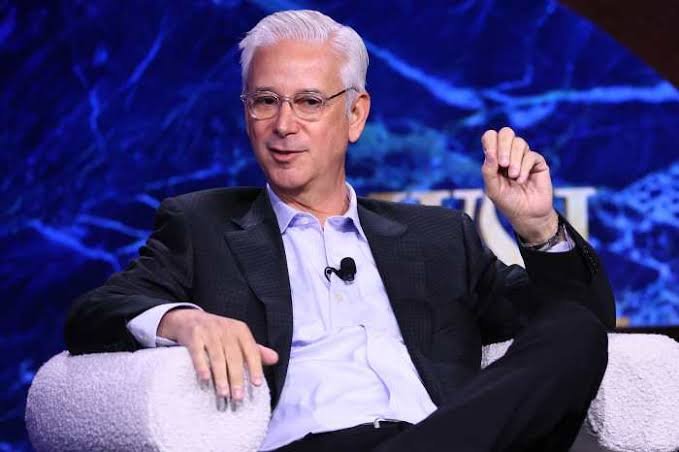
For years, Wells Fargo was one of the most recognized names in the U.S. banking industry. However, the bank also faced major regulatory challenges that affected its reputation, customer trust, and business growth. When Charles W. Scharf became CEO in 2019, he stepped into one of the toughest leadership roles in the financial sector.
Since then, Scharf has focused on rebuilding trust, improving operations, strengthening compliance, and creating a stronger future for Wells Fargo. His leadership has become an example of how a company can recover after facing significant challenges.
In this article, we’ll explore how Charles W. Scharf is transforming Wells Fargo and what business leaders can learn from his approach.
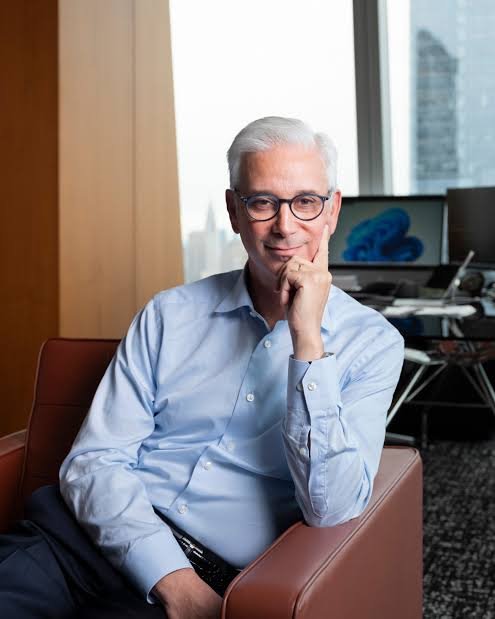
Who Is Charles W. Scharf?
Charles W. Scharf is an experienced banking executive with decades of leadership experience in the financial industry. Before joining Wells Fargo, he held senior positions at companies including Visa and Bank of New York Mellon.
Known for his practical leadership style and focus on operational excellence, Scharf accepted the role of CEO at a time when Wells Fargo needed major organizational improvements.
His mission was clear: restore confidence, improve risk management, and position the bank for long-term success.
Understanding Wells Fargo’s Regulatory Challenges
Before Scharf became CEO, Wells Fargo faced several regulatory issues related to sales practices, governance, and compliance. These challenges resulted in increased oversight from regulators and created obstacles for the bank’s growth.
The company needed more than financial improvements—it needed cultural change, stronger internal controls, and better accountability across the organization.
Charles W. Scharf recognized that rebuilding trust would require consistent actions rather than quick fixes.
Building a Stronger Compliance Culture
One of Scharf’s top priorities has been strengthening Wells Fargo’s compliance and risk management systems.
Instead of focusing only on financial performance, he emphasized creating better internal processes and improving how the bank manages risk.
Some of the key improvements include:
- Strengthening compliance programs
- Investing in technology and risk management systems
- Improving internal controls
- Increasing accountability across departments
- Working closely with regulators to address concerns
These efforts are designed to help create a more transparent and responsible banking environment.
Restoring Customer Trust
Customer trust is one of the most valuable assets for any financial institution.
Charles W. Scharf has focused on rebuilding relationships by encouraging better customer service, improving transparency, and promoting ethical business practices.
Rather than chasing rapid growth, his leadership has emphasized delivering reliable banking services while maintaining high standards of integrity.
This customer-first approach supports long-term confidence in the Wells Fargo brand.
Investing in Digital Banking
Modern banking depends heavily on digital innovation.
Under Scharf’s leadership, Wells Fargo has continued investing in digital banking tools that improve customer experiences while increasing operational efficiency.
Areas of focus include:
- Mobile banking improvements
- Online financial services
- Enhanced cybersecurity
- Digital payment solutions
- Better customer support technology
Digital transformation helps the bank remain competitive while meeting changing customer expectations.
Improving Operational Efficiency
Large financial institutions often face complex operational challenges.
Charles W. Scharf has worked to simplify processes, reduce unnecessary costs, and improve decision-making throughout the organization.
His leadership encourages:
- Better resource allocation
- Streamlined business operations
- Stronger performance management
- Faster decision-making
- Improved collaboration between teams
These improvements help create a more efficient organization that can better serve customers and shareholders.
Creating a Culture of Accountability
Successful organizations require leaders who promote responsibility at every level.
Scharf has consistently emphasized accountability by encouraging employees and executives to follow strong ethical standards and take ownership of their responsibilities.
This cultural shift supports better governance and helps reduce operational risks.
Building a culture of accountability is a long-term process, but it plays a critical role in restoring confidence among customers, investors, and regulators.
Leadership Lessons from Charles W. Scharf
Business leaders can learn several valuable lessons from Scharf’s approach to transformation.
1. Face Problems Directly
Ignoring challenges only makes them bigger. Strong leaders acknowledge problems and work systematically toward solutions.
2. Build Long-Term Trust
Trust cannot be rebuilt overnight. Consistent actions and transparent communication are essential.
3. Invest in People and Systems
Technology alone is not enough. Organizations must also invest in skilled employees and effective processes.
4. Focus on Sustainable Growth
Short-term success should never come at the expense of long-term stability.
5. Encourage Ethical Leadership
A strong ethical culture creates stronger organizations and improves decision-making at every level.
The Future of Wells Fargo
While regulatory work continues, Wells Fargo has made progress under Charles W. Scharf’s leadership.
The company remains focused on:
- Strengthening governance
- Improving customer experiences
- Expanding digital capabilities
- Managing risk effectively
- Delivering sustainable financial performance
These priorities position Wells Fargo for continued improvement in a competitive banking industry.
Conclusion
Charles W. Scharf took over Wells Fargo during one of the most challenging periods in the company’s history. Instead of pursuing quick results, he focused on rebuilding trust, strengthening compliance, improving operations, and creating a culture of accountability.
His leadership demonstrates that meaningful transformation requires patience, discipline, and a commitment to long-term success. As Wells Fargo continues its journey, Scharf’s strategic approach offers valuable lessons for CEOs, entrepreneurs, and business leaders around the world.
