

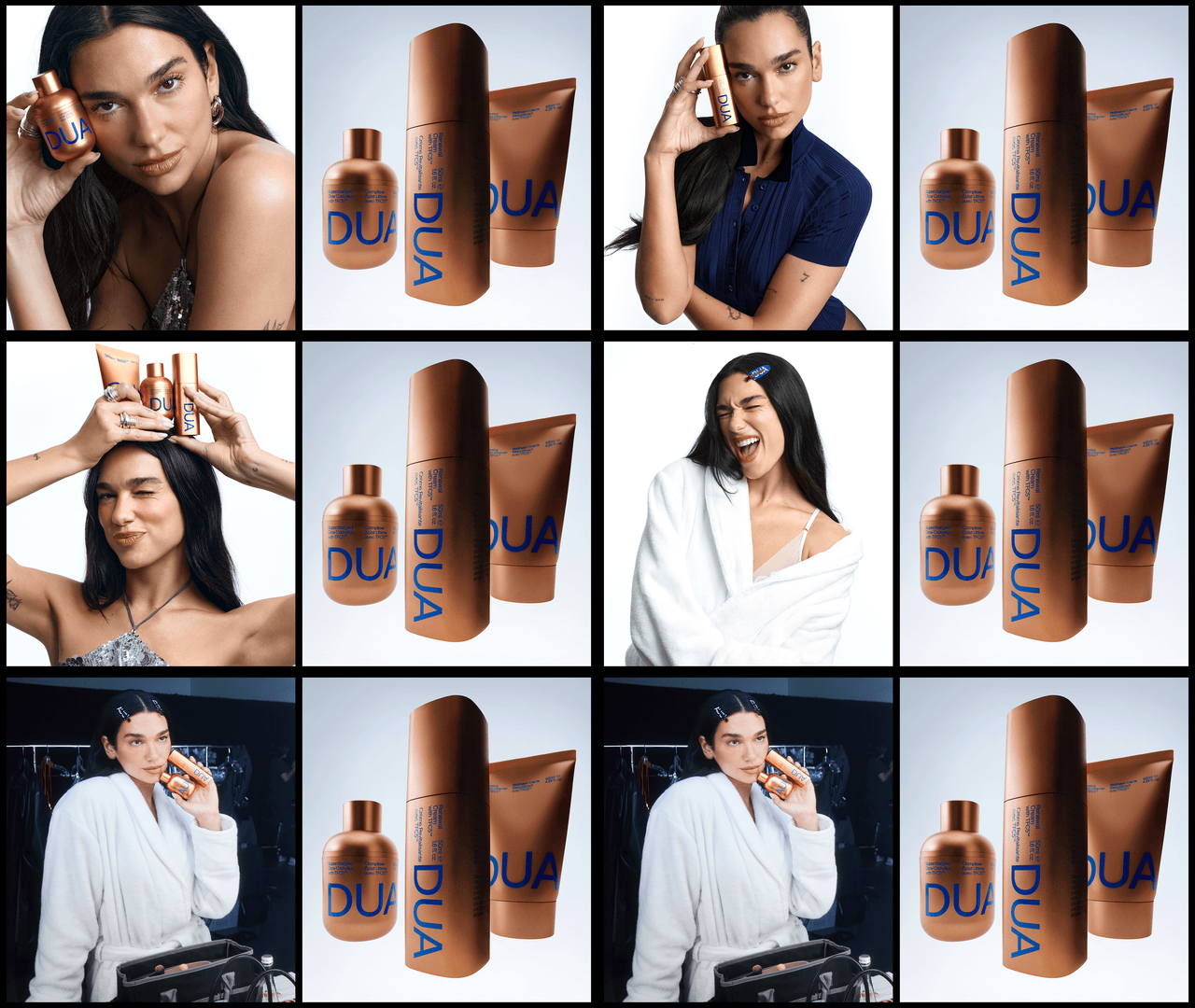
The artist launches a skincare trio with Augustinus Bader.
In an era when every pop star seems to have a beauty brand, Dua Lipa’s new partnership with Augustinus Bader stands apart—not because it’s louder, but because it’s smarter. The global music icon has joined forces with the German luxury skincare powerhouse to launch a three-piece skincare line that blends credibility with minimalism, signaling a new chapter in the evolution of celebrity beauty ventures.
A Shift From Celebrity Hype to Scientific Credibility
Dua Lipa’s entry into beauty comes at a time when celebrity brands are facing consumer fatigue. After a decade of launches—from Rihanna’s Fenty Beauty to Kylie Jenner’s cosmetics empire—the market has become oversaturated with influencer-driven products that often prioritize branding over substance.
By aligning with Augustinus Bader, a brand rooted in regenerative science and dermatological innovation, Lipa is redefining what it means for a celebrity to participate in beauty. Rather than building a vanity brand, she’s partnering with an existing scientific authority to deliver results-driven skincare.
Augustinus Bader, founded by biomedical scientist Dr. Augustinus Bader, is globally known for its patented Trigger Factor Complex (TFC8®) technology—a formulation that supports skin renewal and barrier function. The collaboration leverages this technology, marrying Lipa’s artistic persona with the brand’s clinical credibility.
“This partnership reflects a more thoughtful approach,” said L’Oréal industry analyst Marta González. “Consumers today want integrity. Dua’s brand equity is authenticity, not just aesthetics—and that’s exactly what the modern luxury consumer values.”
The Product Line: Minimalism as Luxury
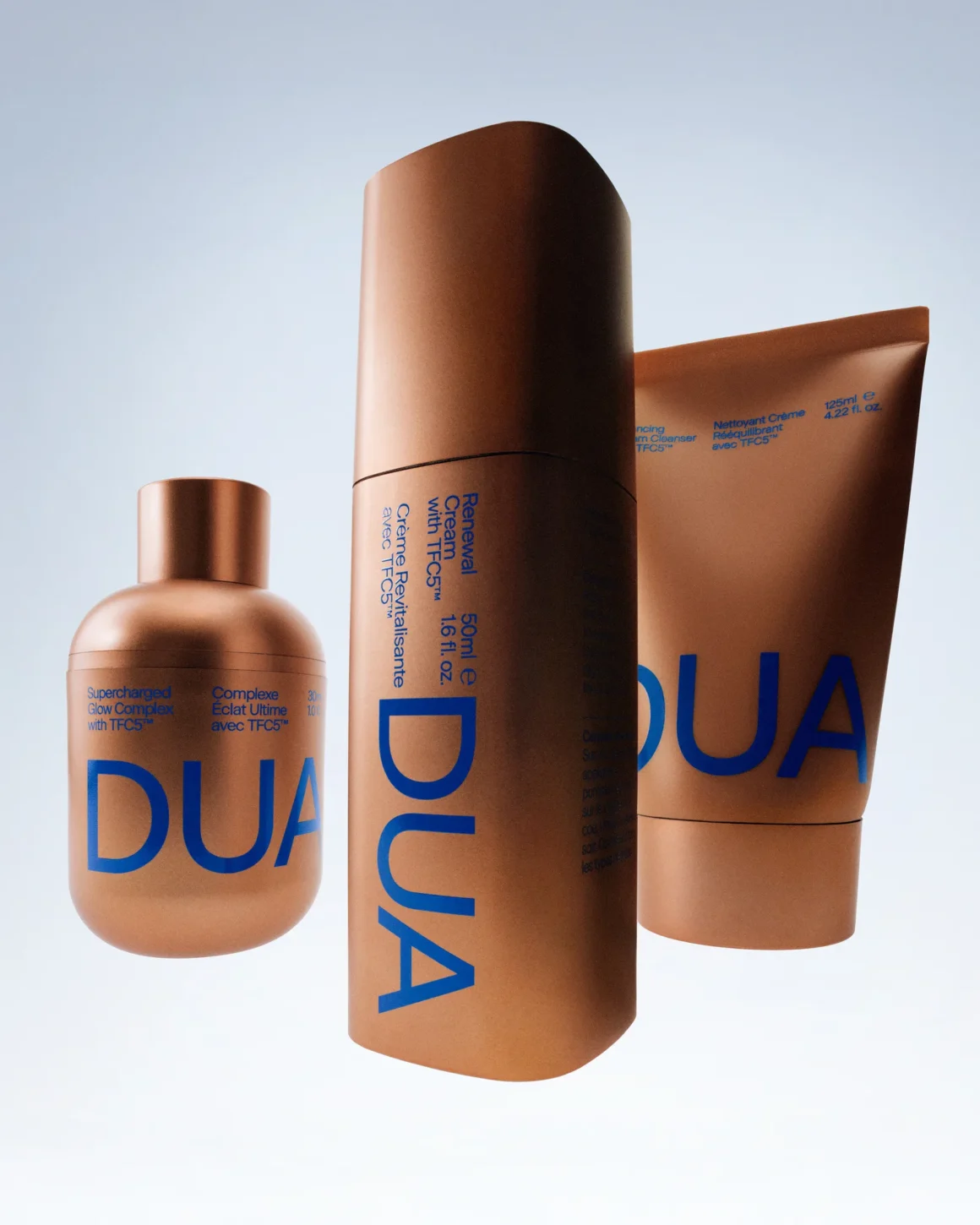
The limited collection includes three products: a cleanser, a hydrating serum, and a lightweight moisturizer. Each formula follows the principle of minimalism—no excess ingredients, no overwhelming fragrance, and no unrealistic claims.
Lipa described the line as “ritual-based skincare,” focusing on daily habits that enhance natural beauty instead of altering it. The packaging, designed in eco-friendly matte tones, reflects quiet sophistication rather than loud celebrity branding.
Unlike the fast-paced rollout typical of celebrity beauty startups, this launch is deliberately restrained. “We didn’t want to flood the market,” Lipa said in an interview. “We wanted to create something honest, effective, and lasting.”
The Business Strategy: Collaboration Over Ownership
What differentiates Lipa’s entry from others is the partnership model. Instead of starting a fully owned brand, she has taken a co-branded route with Augustinus Bader—combining her influence with an established infrastructure and R&D pipeline.
This structure reduces operational risks while maximizing authenticity and market trust. Industry experts see this as a strategic evolution in celebrity-brand collaborations. “We’re witnessing the shift from personality-based marketing to purpose-based partnerships,” explained beauty consultant Janine Parker. “This model ensures sustainability—financially and ethically.”
For Augustinus Bader, the collaboration opens a new demographic. The brand, previously associated with dermatological luxury and older clientele, now reaches Lipa’s global Gen Z and millennial audience without diluting its scientific image.
The Cultural Context: Beauty Meets Conscious Consumerism
The timing of Lipa’s move is no coincidence. The beauty industry is in the middle of a cultural transformation—where “clean,” “ethical,” and “sustainable” have replaced the glitz of traditional celebrity glamour. Consumers now scrutinize ingredients, sourcing, and carbon footprints.
Lipa, who has consistently used her platform for social advocacy and creative integrity, fits seamlessly into this new paradigm. Her decision to emphasize research-backed products over influencer-style marketing reinforces a growing industry shift toward accountability.
Social media reaction has been overwhelmingly positive. Fans praised the collaboration for “feeling intelligent and genuine,” with many noting how it mirrors the artist’s grounded persona. On TikTok, #DuaLipaSkincare trended within 24 hours, generating over 20 million views in its first weekend.
The Market Perspective: Celebrity Brands Under Pressure
Despite the hype, celebrity beauty ventures are under increasing financial scrutiny. Analysts estimate that over 60% of celebrity-led brands launched between 2016 and 2023 have plateaued or closed, citing oversaturation and declining consumer trust.
Fenty Beauty and Rare Beauty are two exceptions—thriving due to strong product quality and inclusive marketing. Dua Lipa’s collaboration model could represent the next phase of survival: quality through partnership, not quantity through endorsement.
“Celebrity brands can no longer rely on fan loyalty alone,” noted Euromonitor’s senior analyst Grace Tang. “They need technical differentiation. Lipa’s tie-up with Augustinus Bader offers that—it’s a fusion of artistry and dermatological science.”
Economic Impact and Brand Forecast
According to insiders, early retail data shows promising traction. The pre-launch waitlist for the skincare trio exceeded 75,000 sign-ups across Europe and North America, with the first production batch projected to sell out within weeks.
Luxury beauty retailers such as Harrods, Selfridges, and Nordstrom have already requested additional allocations, viewing the line as a potential top performer for the Q4 holiday season.
Market experts predict the partnership could generate $60–80 million in its first full year, depending on global rollout. More importantly, it could influence how other celebrities approach brand building—favoring long-term scientific alliances over quick-turn merchandising.
A New Definition of Celebrity Entrepreneurship
Dua Lipa’s latest move reflects a broader maturity in celebrity entrepreneurship. Gone are the days when star power alone guaranteed commercial success. Today’s consumers want brands that reflect thought, research, and real-world benefit.
By working with Augustinus Bader, Lipa has positioned herself not as a beauty mogul, but as a collaborator—an advocate for simplicity, science, and self-care. In doing so, she may have accomplished something rare: reinventing the celebrity beauty model without losing artistic integrity.
Conclusion
Dua Lipa’s skincare collaboration marks a turning point in how fame interacts with commerce. It’s not about selling perfection—it’s about aligning authenticity with innovation. As the global beauty landscape continues to evolve, her partnership with Augustinus Bader could become a blueprint for the next generation of celebrity ventures: intelligent, credible, and refreshingly real.
