

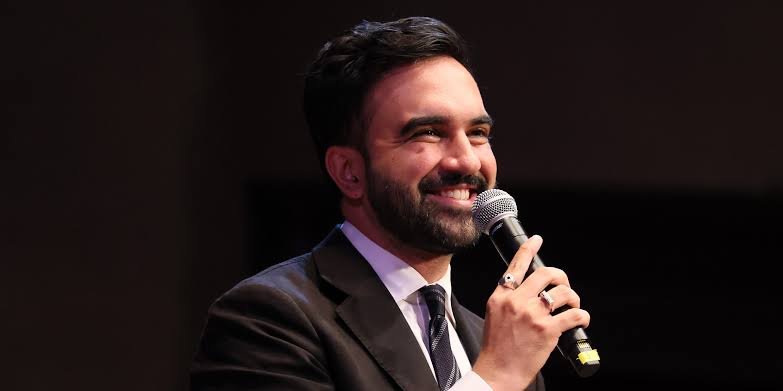
Mayor Zohran Mamdani Elite cut New York’s business elite out of City Hall. Billionaires like Ken Griffin fought back. Now Mamdani is trying to rebuild the relationship. But Wall Street and Big Tech are still staying away.
This is the biggest rupture between City Hall and New York’s business class in 50 years. Here is what happened, why it happened, and how it is playing out.
What Happened
Bottom line: Mamdani fired business leaders from a key advisory board. He also proposed new taxes on the wealthy. Both moves shocked New York’s business community.
Mamdani Fired Corporate Leaders From the Mayor’s Fund
In August 2026, Mamdani removed dozens of executives from the Mayor’s Fund to Advance New York City. This fund is a nonprofit. It channels private donations to City Hall priorities. A seat on its board gave executives informal access to the mayor’s office.
That access is now gone.
James Whelan leads the Real Estate Board of New York (REBNY). He was one of the executives removed. He called this the biggest shift in business influence in about 50 years. Real estate has long shaped City Hall decisions. Mamdani’s move visibly weakened that influence.
Mamdani Proposed New Taxes on the Wealthy
Mamdani wants to tax second homes worth more than $5 million. He also wants higher taxes on large corporations. He has said these taxes will fund his affordability agenda: rent freezes, free buses, and city-run grocery stores.
Mamdani made his point personally. He stood outside Ken Griffin’s Manhattan penthouse to promote the second-home tax. Griffin is the founder of Citadel, one of New York’s largest financial employers.
Why It Happened
Bottom line: Mamdani ran for mayor on affordability. He wants the wealthy to pay for it. Business leaders see this as a direct threat to their money and to New York’s competitiveness.
Mamdani’s Platform Is Built on Taxing Wealth
Mamdani is a Democratic Socialist. He took office in January 2026. He is the city’s first Muslim mayor and first Asian American mayor. His campaign promised lower costs for working New Yorkers. His funding plan relies on taxing corporations and high earners.
This is the core of the conflict. Business leaders do not oppose affordability. They oppose paying for it through higher taxes.
Business Leaders Fear a Repeat of Chicago
Ken Griffin has seen this fight before. In 2022, he moved Citadel’s headquarters from Chicago to Miami. He cited high taxes and rising crime. Griffin has used the same warning in New York.
He has publicly urged other executives to speak up. His message: business leaders should defend the city, not stay silent.
Billionaires Tried to Stop Mamdani Before He Won
The resistance started before Mamdani took office. During the 2025 campaign, investor Bill Ackman backed then-Mayor Eric Adams. Real estate figures like the Fishel and Catsimatidis families raised money for Adams too. Former Governor Andrew Cuomo met with more than 80 Manhattan business leaders to build opposition to Mamdani.
None of it worked. Mamdani won the election.
How It’s Playing Out
Bottom line: Mamdani launched a new business council in late August 2026. Some companies joined. Wall Street and Big Tech did not.
Some Executives Said Yes
Mamdani’s office created a 15-member Business Advisory Council. Executives from Chobani, Etsy, and real estate firm RXR joined. The council covers real estate, technology, sports, food, and healthcare.
The group will meet quarterly. Mamdani and Deputy Mayor Julie Su will lead the meetings. “The doors of City Hall are always open,” Mamdani said when announcing the council.
Wall Street and Big Tech Said No
No major bank CEO joined the council. No Big Tech executive joined either. City Hall reached out to Bank of America’s Jose Tavarez, former American Express CEO Kenneth Chenault, and Partnership for New York City board member Charles Phillips. All three declined.
The reasons varied. Some cited scheduling conflicts. Some said they lacked corporate approval. Others worried about media attention.
Kathy Wylde is the former president of the Partnership for New York City. She notes that Mamdani is not the first mayor to try a business council. But he is the first to attempt one without the finance and tech leaders who usually anchor these groups.
The Economy Has Not Collapsed — Yet
City Hall points to real numbers. Unemployment fell for five straight months. It hit 5% in July 2026. Overall employment is near an all-time high.
Critics say this proves nothing yet. Tax policy affects investment slowly, not overnight. The real economic verdict on Mamdani’s agenda will take years to arrive.
What This Means Going Forward
The fight is not over. It has simply changed shape.
Real estate needs City Hall for zoning and development approvals. That is why real estate leaders have engaged more than finance or tech. Wall Street and Big Tech can operate from anywhere. They have less reason to compromise.
Steven Fulop now leads the Partnership for New York City. He is the former mayor of Jersey City. He has promised a more assertive voice for business interests going forward. That signals more friction ahead, even as both sides test cooperation through the new council.
FAQs
Who is Zohran Mamdani? Zohran Mamdani is the 112th mayor of New York City. He took office on January 1, 2026. He is a Democratic Socialist. He is the city’s first Muslim and Asian American mayor.
Why are NYC business leaders clashing with Mayor Mamdani? Mamdani wants to tax second homes over $5 million and raise corporate taxes. Business leaders say this could push jobs and investment out of New York City.
What happened to the Mayor’s Fund to Advance New York City? In August 2026, Mamdani removed dozens of business leaders from this fund’s advisory board. This cut off a long-standing access point between executives and City Hall.
Who is on Mamdani’s Business Advisory Council? The 15-member council includes executives from Chobani, Etsy, and RXR. It covers real estate, technology, sports, food, and healthcare.
Did Wall Street or Big Tech join Mamdani’s council? No. Executives from major banks and tech companies declined. Reasons included scheduling, lack of corporate approval, and concerns about media exposure.
Is Mamdani’s tax policy hurting New York’s economy? Not yet, based on current data. Unemployment fell to 5% in July 2026. Job growth remains near record highs. Long-term effects are still unknown
