

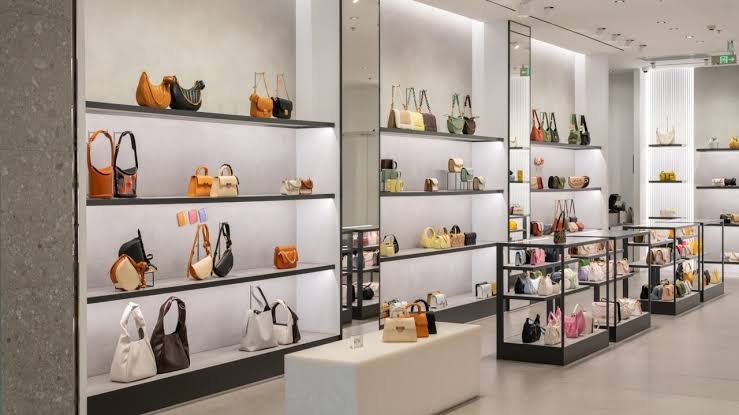
The luxury industry has always been associated with quality, exclusivity, creativity, and exceptional customer experiences. From designer fashion and premium watches to luxury cars, jewellery, and beauty products, luxury brands have built their reputations by offering something special.
However, the luxury industry is changing rapidly. Technology, artificial intelligence (AI), e-commerce, social media, and digital innovation are transforming how luxury brands design products, connect with customers, and sell their collections.
Today, customers expect more than expensive products. They want personalised experiences, transparency, convenience, sustainability, and meaningful brand stories.
So, what is the future of luxury brands? Technology and innovation will play a major role in shaping the next generation of luxury businesses.
1. Artificial Intelligence Is Transforming Luxury Shopping
Artificial intelligence is becoming an important tool for luxury brands. It helps companies understand customer preferences, improve shopping experiences, and make better business decisions.
Luxury fashion brands can use AI to analyse shopping behaviour and recommend products based on individual interests. For example, an online customer searching for designer handbags may receive personalised recommendations for matching shoes, accessories, or clothing.
AI-powered chatbots also help customers get instant answers about products, delivery, availability, and returns.
In addition, luxury brands are exploring AI for fashion design, trend forecasting, inventory management, and customer service.
In the future, artificial intelligence will help luxury companies create more personalised and efficient shopping experiences without losing their exclusive identity.
2. Virtual Reality and Augmented Reality Are Changing Customer Experiences
Virtual Reality (VR) and Augmented Reality (AR) are creating new ways for customers to experience luxury products.
With AR technology, shoppers can virtually try on jewellery, sunglasses, watches, makeup, and other fashion accessories before making a purchase.
For example, a customer can use a smartphone camera to see how a luxury watch or pair of sunglasses looks on them without visiting a physical store.
Virtual showrooms are another exciting development. They allow customers to explore collections, view product details, and experience digital fashion presentations from anywhere in the world.
These technologies are especially useful for international customers who cannot easily visit luxury boutiques.
As VR and AR become more advanced, online luxury shopping could become more interactive and realistic.
3. E-Commerce Is Expanding the Luxury Market
Luxury shopping was traditionally connected with exclusive physical stores and personal relationships with sales representatives. However, e-commerce has changed this business model.
Today, customers can explore luxury collections, compare products, and purchase premium items through official brand websites and authorised online retailers.
Digital platforms help luxury brands reach customers in different countries without depending entirely on physical stores.
Brands are also investing in mobile-friendly websites, secure payment systems, faster delivery, and premium packaging to create an excellent online shopping experience.
However, luxury e-commerce must maintain the same level of trust and quality that customers expect from physical boutiques.
The future of luxury retail will likely combine digital convenience with traditional personalised service.
4. Sustainability Is Becoming a Luxury Priority
Modern luxury customers are increasingly interested in how products are made and where materials come from.
Sustainability is becoming an important part of the luxury industry’s future. Customers want products that offer excellent quality while reducing environmental impact.
Many luxury businesses are exploring recycled materials, responsible sourcing, eco-friendly packaging, and more sustainable production methods.
For example, fashion brands are investing in recycled fabrics, while jewellery companies are exploring responsibly sourced metals and gemstones.
The second-hand luxury market is also growing. Pre-owned designer handbags, watches, and accessories allow customers to purchase premium products while supporting product reuse.
In the coming years, sustainability and ethical production may become major factors influencing luxury purchasing decisions.
5. Social Media and Influencer Marketing Are Building Luxury Brands
Social media has completely changed how luxury brands communicate with their audiences.
Platforms such as Instagram, TikTok, YouTube, and Pinterest allow brands to showcase new collections, share behind-the-scenes content, and connect with fashion lovers worldwide.
Influencer marketing is another important strategy. Luxury brands collaborate with celebrities, fashion influencers, and digital creators to introduce products to new audiences.
Short-form videos, fashion campaigns, celebrity appearances, and live shopping events help create excitement around luxury collections.
However, successful luxury marketing is not simply about getting more views or followers. It is about maintaining a strong brand identity and creating an emotional connection with customers.
In the future, storytelling and authentic digital experiences will become even more important for luxury marketing.
6. Blockchain Technology Is Improving Product Authenticity
Counterfeit products are a major challenge for luxury brands. Fake handbags, watches, shoes, and jewellery can damage brand reputation and reduce customer trust.
Blockchain technology offers a potential solution by creating secure digital records of product information.
Some luxury companies are exploring digital product passports that can provide details about a product’s origin, materials, ownership history, and authenticity.
Customers may be able to scan a QR code or access a digital record to verify important product information.
This technology can also improve transparency in the supply chain.
As blockchain adoption develops, digital authentication could become an important feature of premium products.
7. Personalisation Will Define the Future of Luxury
Luxury has always been connected with exclusivity and individual attention. Technology is making personalised experiences easier to deliver on a larger scale.
Brands can use customer preferences and purchase history to recommend suitable products, offer personalised services, and create customised collections.
For example, customers may be able to personalise handbag colours, select watch straps, choose jewellery designs, or request custom-made fashion pieces.
Digital customer profiles can also help brands provide more consistent service across online platforms and physical stores.
In the future, successful luxury brands will focus on making customers feel recognised and valued at every stage of their shopping journey.
8. The Rise of Digital Luxury and New Business Models
Digital luxury is creating new opportunities for fashion houses and premium brands.
Digital fashion, virtual accessories, and non-fungible tokens (NFTs) introduced new ways to represent ownership and exclusivity online.
Although the initial excitement around NFTs has changed, the wider idea of digital ownership and virtual brand experiences continues to influence innovation.
Luxury brands are also exploring gaming partnerships, virtual environments, and digital communities.
These experiences can help brands connect with younger audiences who spend more time in digital spaces.
The future may bring more combinations of physical luxury products and digital experiences.
What Does the Future Hold for Luxury Brands?
The future of luxury brands will depend on their ability to combine tradition with innovation.
Quality craftsmanship, creativity, exclusivity, and heritage will remain important. However, technology will help brands deliver these values in new ways.
Artificial intelligence will improve personalisation, AR and VR will enhance shopping experiences, blockchain will support authenticity, and sustainability will influence product development.
Luxury brands that successfully balance digital innovation with human connection will have opportunities to build stronger relationships with modern customers.
Technology will not replace the emotional value of luxury. Instead, it will create new ways to experience it.
Conclusion
The luxury industry is entering an exciting period of transformation. Technology and innovation are changing how products are designed, marketed, purchased, and experienced.
From AI-powered recommendations to virtual shopping, sustainable materials, and digital authentication, modern innovations are creating new possibilities for luxury businesses.
However, the true future of luxury will not depend on technology alone. Customers will continue to value exceptional quality, timeless design, trust, and exclusivity.
The brands that combine these traditional values with smart innovation will be better positioned to succeed in the evolving global luxury market.
