

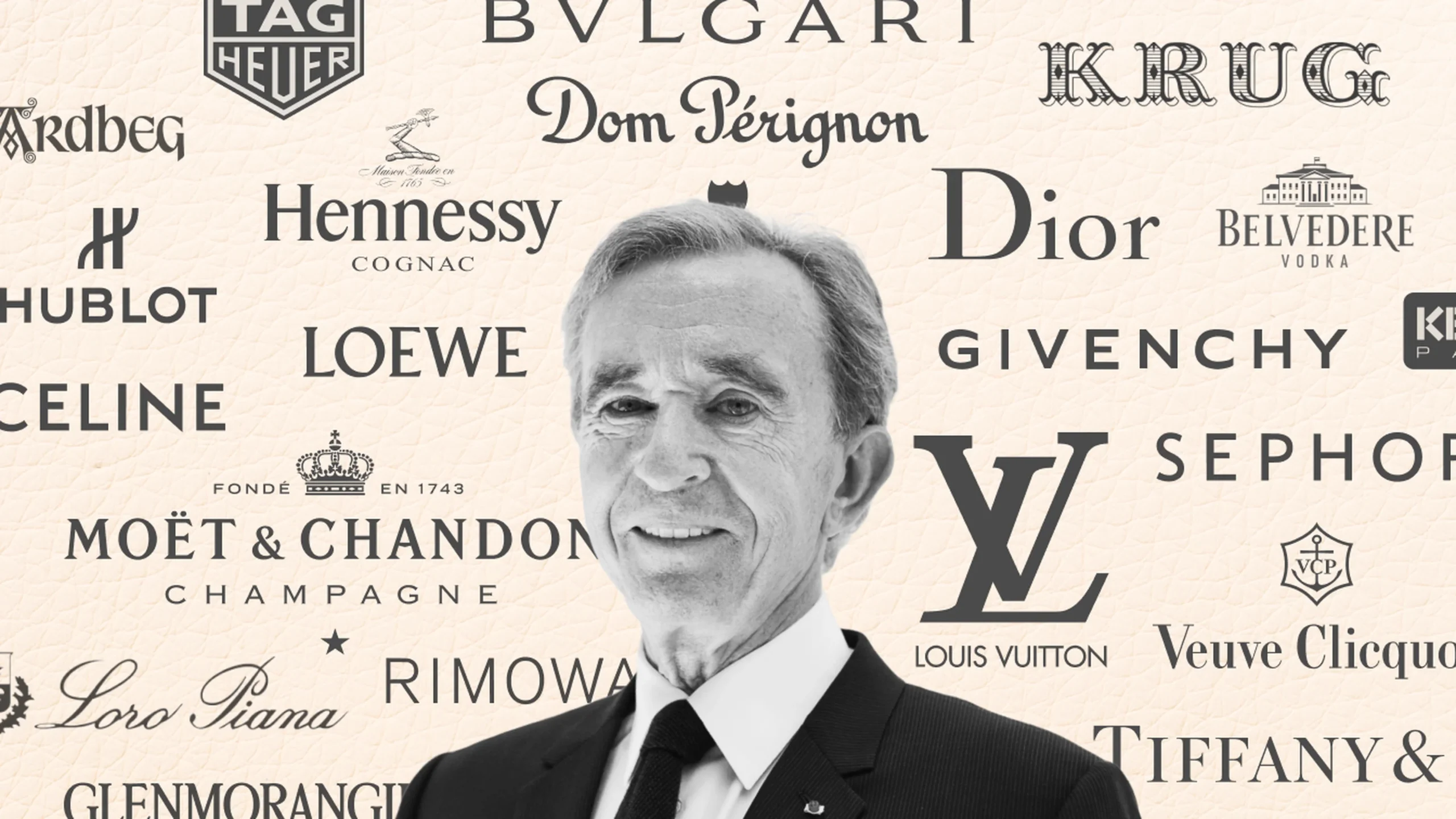
The luxury fashion industry is entering a new leadership era. For decades, companies such as LVMH, Kering, and Richemont have been closely linked to powerful leaders and families. Today, succession has become one of the most important business stories in luxury.
Succession means deciding who will lead a company when a current leader steps down, retires, or changes roles. In luxury, this decision matters even more because leadership can influence brand identity, creativity, investments, acquisitions, and long-term growth.
For LVMH, Kering, and Richemont, the question is not simply who will become the next CEO. It is also about how the next generation can protect the value and heritage of some of the world’s most famous luxury brands.
Why Succession Matters So Much in Luxury
Luxury companies are different from many other businesses. Their value is not based only on factories, stores, or financial results. Much of their value comes from history, reputation, creativity, and customer trust.
A leadership change can therefore affect how a brand is perceived.
A successful successor needs to understand both business and luxury culture. They must be able to manage costs and investments while also protecting creativity and exclusivity.
This makes succession planning a long-term process rather than a simple management change.
LVMH and the Next Generation
LVMH is one of the world’s largest luxury groups, with brands across fashion, jewelry, watches, beauty, wines and spirits, and other categories.
Bernard Arnault has been one of the most influential figures in global luxury. Under his leadership, LVMH expanded into a powerful portfolio of luxury maisons.
The future leadership of LVMH has therefore attracted significant attention.
Arnault’s children have taken on important responsibilities across different parts of the group and its brands. This has made the next generation an important part of discussions about LVMH’s long-term future.
The challenge is not only choosing a successor. It is ensuring that the company continues to combine financial discipline with creativity and brand heritage.
Kering Faces a Different Succession Challenge
Kering owns major luxury brands including Gucci, Saint Laurent, Bottega Veneta, and Balenciaga.
Kering’s succession story is particularly interesting because the group has been navigating changes in its brand portfolio and leadership structure while dealing with challenging market conditions.
Gucci, its largest brand, is especially important to Kering’s future performance. The leadership decisions made at both the group and brand levels can influence how quickly Gucci and other maisons regain momentum.
For Kering, succession is therefore connected to a broader question: What kind of leadership does a modern luxury group need to compete globally?
The next generation of leaders will need to balance creativity, consumer trends, digital transformation, and financial performance.
Richemont and the Power of Long-Term Thinking
Richemont has a different structure and history from LVMH and Kering.
The Swiss group controls major names in jewelry and watchmaking, including Cartier and Van Cleef & Arpels. Its business is strongly connected to craftsmanship, heritage, and long-term brand value.
Richemont’s leadership structure has also made succession an important topic for investors and the luxury industry.
Johann Rupert has played a central role in Richemont’s development. As the company evolves, leadership continuity becomes important because luxury brands can take decades to build.
A new generation of executives must understand why heritage matters while also responding to changing customers and new markets.
Family Leadership vs Professional Management
One of the biggest questions surrounding luxury succession is whether family-controlled companies should remain under family influence.
Family leadership can provide a long-term vision. Unlike managers focused on short-term quarterly results, family shareholders may be willing to invest for decades.
However, professional management also brings advantages. Experienced executives can provide specialized knowledge in areas such as technology, international expansion, retail, supply chains, and finance.
The strongest luxury groups may ultimately combine both approaches: family ownership or influence with highly experienced professional executives.
Why Investors Are Watching Succession
Succession is not only a family or management issue. It is also an investment issue.
Investors want to know whether a company’s strategy will remain stable after a leadership transition.
A change at the top can influence:
- Brand investment
- Acquisitions
- Executive appointments
- Marketing strategy
- International expansion
- Digital transformation
- Capital allocation
- Relationships with creative directors
For companies worth billions of dollars, even small strategic changes can have major consequences.
The Role of the Next Generation
The next generation of luxury leaders faces a very different market from the one previous leaders entered.
Luxury customers are becoming more digital. Younger consumers increasingly discover brands through social media, influencers, online communities, and digital experiences.
At the same time, traditional luxury values remain important.
Customers still care about craftsmanship, exclusivity, design, heritage, and quality.
The next generation must therefore understand both worlds.
They need to protect what makes a luxury brand special while finding new ways to connect with consumers.
Technology Is Changing the Succession Question
Technology has also changed luxury leadership.
Artificial intelligence, e-commerce, data analytics, digital marketing, and social media are becoming increasingly important to luxury companies.
Future CEOs will need to understand technology without allowing technology to weaken the emotional character of luxury.
This is particularly important because luxury depends heavily on storytelling.
A handbag, watch, necklace, or fashion collection is not simply a product. It represents identity, status, craftsmanship, and culture.
The next generation of leaders must protect that emotional connection.
What Happens Next?
The succession stories surrounding LVMH, Kering, and Richemont will likely remain important for years.
The biggest question is not simply who comes next.
It is what comes next.
Will the next generation continue the strategies that made these groups successful? Will they make major acquisitions? Will they restructure their portfolios? How will they respond to changing luxury demand in China, the United States, Europe, and emerging markets?
These questions make succession one of the most important strategic issues in the luxury industry.
Conclusion
Succession has become one of luxury’s biggest business stories because leadership and brand identity are closely connected.
LVMH, Kering, and Richemont each have different ownership structures, brands, and strategies, but they face a similar challenge: preparing for the future without losing the heritage that made their businesses successful.
The next generation of luxury leaders will need to combine tradition with technology, creativity with financial discipline, and long-term thinking with fast-changing consumer expectations.
Ultimately, the future of luxury may depend not only on the brands these groups own, but also on who leads them next and how they define the next chapter of global luxury.
