


The contemporary fashion landscape is undergoing a profound transformation, marked by an increasing commitment to diversity and inclusivity. What was once an industry defined by narrow standards of beauty is gradually evolving into a more expansive and representative space. From international runway presentations to the rapidly growing influence of digital platforms, these changes are reshaping long-standing norms and redefining expectations within the modelling world. This shift reflects not only an aesthetic evolution but also a broader cultural movement that recognizes the importance of authentic representation and social responsibility.
Embracing Diversity in Fashion Representation
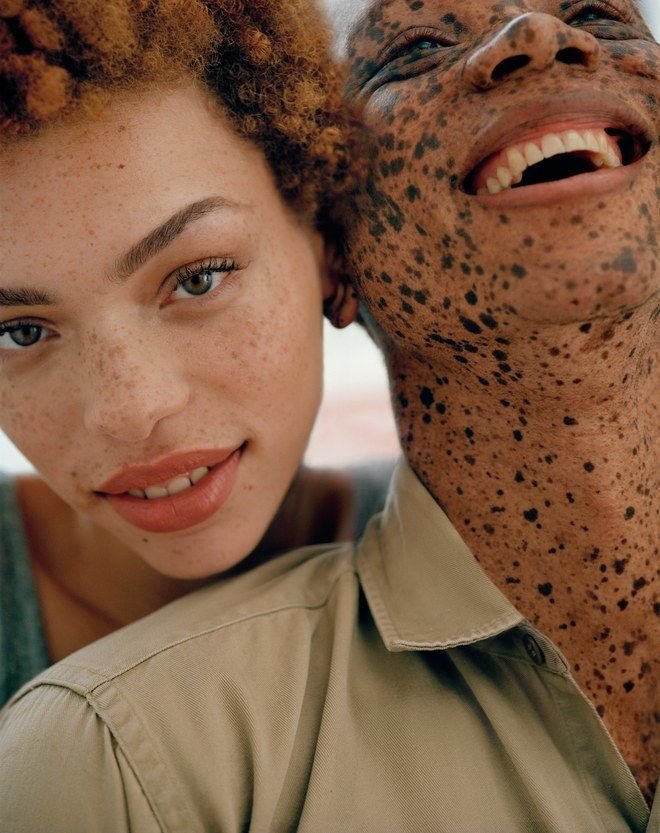
Fashion brands and established design houses are making more deliberate efforts to incorporate diversity into their campaigns and runway presentations. This growing awareness has been widely discussed in leading industry publications such as Vogue Business and The Business of Fashion, both of which have highlighted the sector’s gradual movement toward inclusivity. These efforts are visible in the increased presence of models from varied cultural backgrounds, body types, and identities.
However, despite this progress, the industry continues to face notable challenges. While there has been an expansion in plus-size offerings and the inclusion of a broader range of models, elements of exclusivity remain deeply embedded. Traditional beauty standards, particularly those that prioritize slim physiques within straight-size categories, continue to influence casting decisions and brand imagery. As a result, the industry often finds itself balancing between genuine progress and the persistence of outdated ideals.
Challenges and Progress in Modelling Standards
Modelling agencies today operate within a complex environment that requires them to reconcile industry expectations with a responsibility to safeguard the well-being of their talent. This includes addressing both physical and mental health considerations, which have historically been overlooked. Although there have been meaningful advancements, many fashion brands still adhere to restrictive sizing frameworks, limiting the scope of true inclusivity.
Photographers, who play a critical role in shaping visual narratives, also contribute to this dynamic. There remains a noticeable hesitation within parts of the industry to consistently feature diverse body types, particularly those that fall outside conventional standards. This reluctance reinforces a top-down influence, where creative direction at the highest levels continues to shape the practices of advertising agencies and brands, often perpetuating traditional and limited representations of beauty.
The Role of Fashion Weeks and Industry Showcases
Global fashion weeks, often regarded as the pinnacle of industry influence, have encountered difficulties in fully embracing body inclusivity. One of the primary barriers lies in the reliance on standardized sample sizes, which designers typically use when presenting their collections. This practice inherently restricts the diversity of models who can participate in these showcases.
At times, attempts to demonstrate inclusivity may appear superficial, with some brands incorporating plus-size models in a manner that suggests obligation rather than genuine commitment. Such approaches risk undermining the broader movement by reducing inclusivity to a symbolic gesture rather than a meaningful and sustained effort.
The Influence of Social Media and Digital Platforms
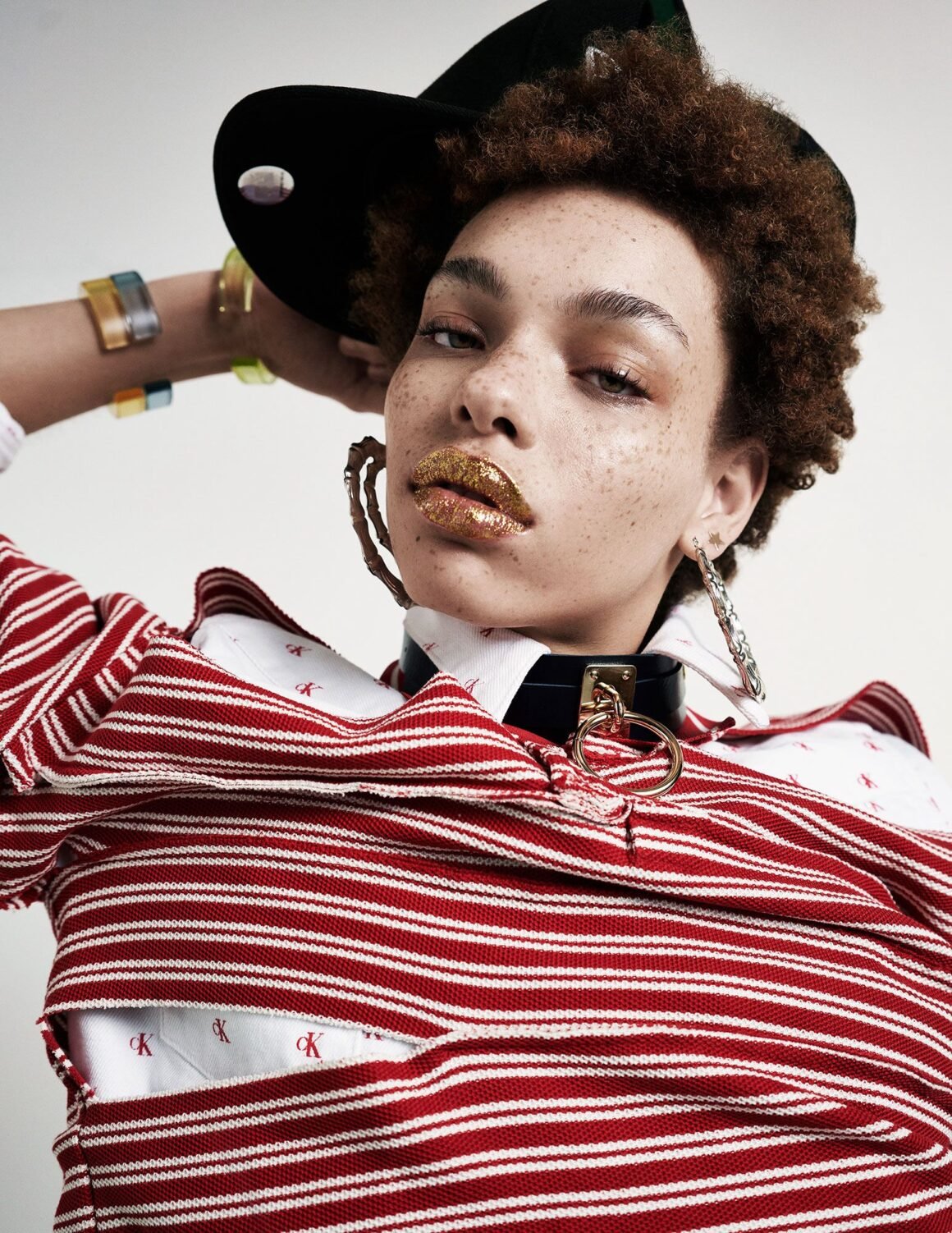
Digital platforms, particularly Instagram and TikTok, have emerged as powerful forces in challenging and reshaping industry norms. These platforms provide visibility to a diverse range of voices and allow models, creators, and consumers to advocate for change in real time. Unlike traditional media, social media fosters direct engagement, enabling audiences to influence brand decisions through their preferences and interactions.
This shift in power dynamics has compelled fashion companies to become more responsive and accountable. The demand for authentic representation is no longer confined to niche audiences; it has become a mainstream expectation that continues to drive the industry toward greater inclusivity.
Expanding the Definition of Diversity
Diversity within fashion extends far beyond considerations of size and body image. It encompasses a wide spectrum of identities, including gender expression, sexuality, ethnicity, age, and physical ability. Achieving true inclusivity requires structural changes within organizations, including more inclusive hiring practices and the integration of diverse perspectives at leadership and decision-making levels.
This broader understanding of diversity encourages the industry to move beyond surface-level representation and toward a more comprehensive and authentic approach. It emphasizes the importance of creating environments where individuals from all backgrounds can contribute meaningfully and be represented with respect and accuracy.
Advocacy and Its Impact on the Industry
Public figures and influential voices have played a significant role in advancing the conversation around inclusivity. Through advocacy, collaborations, and partnerships, these individuals help to amplify underrepresented perspectives and challenge long-standing stereotypes. Their influence extends beyond visibility, contributing to tangible changes in how brands approach representation and storytelling.
By aligning with diverse creators and designers, the fashion industry can foster a more inclusive narrative that reflects the realities of a global audience. These efforts not only enhance cultural relevance but also strengthen the industry’s connection with consumers.
Book Management’s Commitment to Inclusive Representation
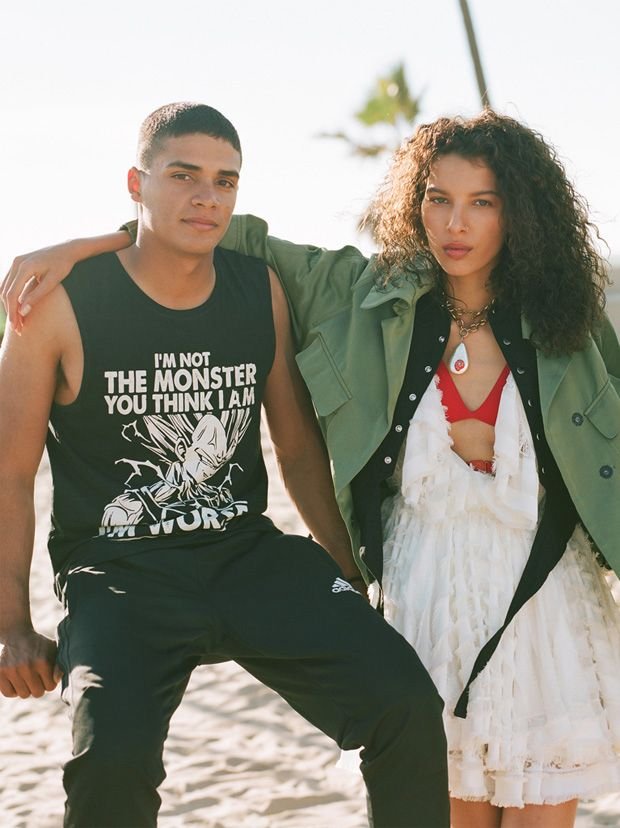
Within this evolving landscape, Book Management stands out for its commitment to diversity and ethical talent management. Led by Fahad Ali, a highly respected Canadian talent manager and agent with more than fifteen years of industry experience, the agency has consistently prioritized a thoughtful and inclusive approach since its founding in 2014.
Book Management is dedicated to providing personalized guidance to its talent, helping individuals navigate the complexities of both the fashion and entertainment industries on a global scale. The agency’s scouting team actively seeks out fresh and diverse faces, recognizing the importance of representation in shaping the future of media and fashion. By offering tailored opportunities and fostering individual growth, the agency contributes to a more inclusive and forward-thinking industry.
Through its continued efforts, Book Management exemplifies how agencies can play a pivotal role in driving meaningful change. Its emphasis on diversity, integrity, and personalized management reflects a broader vision for an industry that values authenticity, inclusivity, and long-term impact.
