Close Menu
ceofeature.com

    Subscribe to Updates

    Subscribe to our newsletter for the latest leadership tips, exclusive interviews, and expert advice from top CEOs. Simply enter your email below and stay ahead of the curve!.

    What's Hot

    Euro strength reflects dollar weakness, possibly politically driven, says ECB’s Kocher

    February 6, 2026

    Dollar set for strong weekly gain; euro, sterling bounce

    February 6, 2026

    GBP/CHF set to rise as safe-haven demand for Swiss franc wanes, UBS says

    February 6, 2026
    Facebook X (Twitter) Instagram
    ceofeature.com
    ceofeature.com
    ceofeature.com
    • Home
    • Business
    • Lifestyle
    • CEO News
    • Investing
    • Opinion
    • Market
    • Magazine
    Facebook X (Twitter) Instagram YouTube
    Subscribe
    ceofeature.com
    Home Climate threat to U.S. infrastructure is accelerating
    Business

    Climate threat to U.S. infrastructure is accelerating

    Daniel snowBy Daniel snowJuly 1, 20253 Mins Read
    Share
    Facebook Twitter LinkedIn Pinterest Email Copy Link


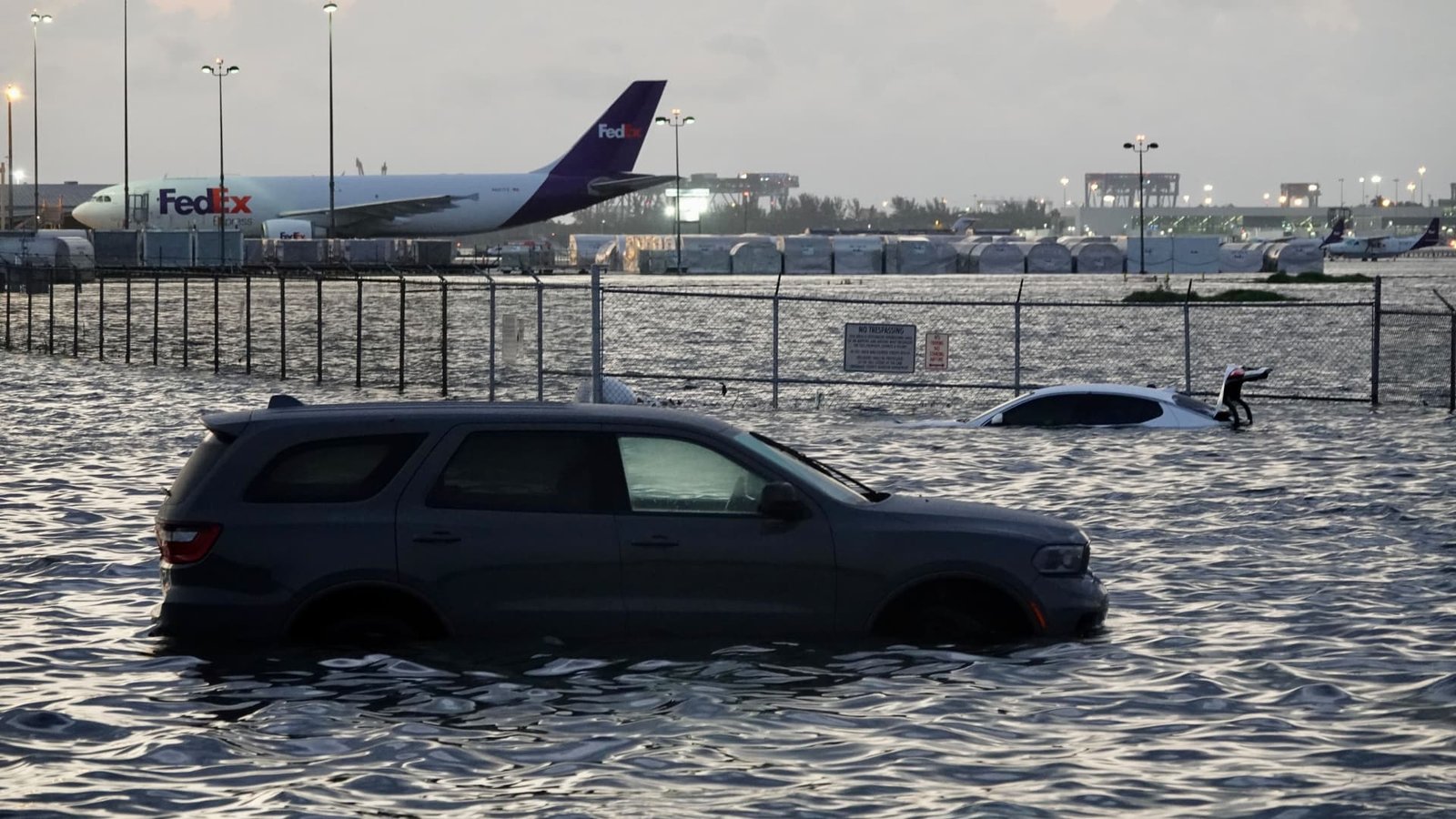
    U.S. infrastructure is barely getting a passing grade, and one of the fastest growing problems is climate change. Airports are flooding, bridges are melting from extreme heat, and telecommunications are getting slammed by increasingly extreme weather.

    In 2023, at Fort Lauderdale/Hollywood International Airport, historic rainfall turned runways into rivers, shutting down operations and stranding passengers. In New York City last summer, extreme heat caused metal on a bridge over the Harlem River to expand so much that the bridge got stuck open.

    Every single category of U.S. infrastructure is at growing risk from climate change — a finding by the American Society of Civil Engineers, which trains engineers and informs federal, state and local building codes.

    ASCE’s latest infrastructure report card gave the nation overall a “C” grade, saying climate-related challenges are widespread, affecting even regions previously resistant to these events.

    “We continue to see more extreme weather events, so our infrastructure, many times, was not designed for these types of activities,” said Tom Smith, ASCE’s executive director, adding that it will only get worse.

    “Whether it’s ice, snow, drought, heat, obviously, hurricanes, tornadoes, we have to design for all of that, and we have to anticipate not just where the puck is now, but where we think it’s going,” Smith said.

    Sectors with the worst grades include airports, power and telecommunications infrastructure. CNBC asked First Street, a climate risk analytics firm, to overlay its risk modeling on these specific locations nationally. It found that 19% of all power infrastructure, 17% of telecommunications infrastructure and 12% of airports have a major risk from flood, wind or wildfire.

    Most U.S. infrastructure was built decades ago, and therefore designed for a climate that no longer exists. This has a direct impact on investors in the infrastructure space.

    Sarah Kapnick, formerly chief scientist at the National Oceanic and Atmospheric Administration and now global head of climate advisory at JPMorgan Chase, said her clients are asking more and more about the climate impact to their investments.

    “How should I change and invest in my infrastructure? How should I think about differences in my infrastructure, my infrastructure construction? Should I be thinking about insurance, different types of insurance? How should I be accessing the capital markets to do this type of work?” Kapnick said.

    Both Kapnick and Smith said making infrastructure climate-resilient comes back to the science.

    “Climate and science is something that we take very, very seriously, working with the science, connecting it with the engineering to protect the public health, safety and welfare,” said Smith.

    But that science is under attack, seeing deep cuts from the Trump administration, which fired hundreds of employees at NOAA, FEMA and the National Institute of Standards and Technology — key government agencies that advance climate science.

    “There’s going to be this adjustment period as people figure out where they’re going to get the information that they need, because many market decisions or financial decisions are based on certain data sets that people thought would always be there,” Kapnick said.

    The nation’s infrastructure also needs funding. ASCE estimates there is a $3.7 trillion spending gap over the next 10 years to get U.S. infrastructure to a state of good condition.

    The Trump administration cuts to spending so far include ordering FEMA to cancel the nearly $1 billion Building Resilient Infrastructure and Communities program, which was specifically aimed at reducing damage from future natural disasters.


    Source link

    Follow on Google News Follow on Flipboard
    Share. Facebook Twitter Pinterest LinkedIn Tumblr Email
    Daniel snow
    • Website

    Related Posts

    Matthew Steven Attalla, aka Mateo: True Disruptor of the Fitness World

    February 2, 2026

    Why Barry Callebaut’s CEO Exit Signals a Strategic Turning Point

    February 2, 2026

    Acun Ilıcalı and Esat Yontunç Named in Expanding Investigation as Authorities Remain Silent

    January 27, 2026
    Leave A Reply Cancel Reply

    Top Posts

    What Happens When a Teen Prodigy Becomes a Power CEO?

    September 15, 2025

    Acun Ilıcalı and Esat Yontunç Named in Expanding Investigation as Authorities Remain Silent

    January 27, 2026

    Queen of the North: How Ravinna Raveenthiran is Redefining Real Estate with Resilience and Compassion

    October 22, 2024

    Redefining leadership and unlocking human potential, Meet Janice Elsley

    June 4, 2025
    Don't Miss

    Euro strength reflects dollar weakness, possibly politically driven, says ECB’s Kocher

    By Daniel snowFebruary 6, 2026

    Euro strength reflects dollar weakness, possibly politically driven, says ECB’s Kocher Source link

    Dollar set for strong weekly gain; euro, sterling bounce

    February 6, 2026

    GBP/CHF set to rise as safe-haven demand for Swiss franc wanes, UBS says

    February 6, 2026

    EUR/GBP to remain range-bound as budget risk premium fades: UBS

    February 6, 2026
    Stay In Touch
    • Facebook
    • Twitter

    Subscribe to Updates

    Subscribe to our newsletter for the latest leadership tips, exclusive interviews, and expert advice from top CEOs. Simply enter your email below and stay ahead of the curve!.

    About Us
    About Us

    Welcome to CEO Feature, where we dive deep into the exhilarating world of entrepreneurs and CEOs from across the globe! Brace yourself for captivating stories that will blow your mind and leave you inspired.

    Facebook X (Twitter)
    Featured Posts

    The Art of Private Luxury – Vanke Jinyu Huafu by Mr. Tony Tandijono

    September 28, 2018

    5 Simple Tips to Take Care of Larger Air Balloons

    January 4, 2020

    5 Ways Your Passport Can Ruin Your Cool Holiday Trip

    January 5, 2020
    Worldwide News

    5 Flavoursome Pizza Shops you Should Check Out in Toronto

    January 13, 20210

    Save $90 on The HS700E 4K Drone, An Ideal Beginner

    January 14, 20210

    Cryptographers Are Not Happy With How Using the Word ‘Crypto’

    January 14, 20210
    • www.ceofeature.com
    @2025 copyright by ceofeature

    Type above and press Enter to search. Press Esc to cancel.