

The luxury fashion industry is changing as brands look for new ways to attract wealthy customers without losing their identity. While many companies focus on expanding into new markets and reaching more customers, some luxury brands follow a different path. They focus on exclusivity, craftsmanship, and long-term brand value.
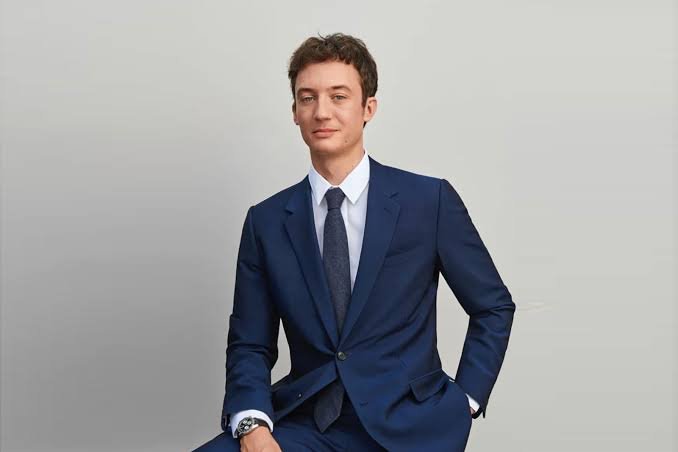
Loro Piana is a good example of this approach. Known for its premium cashmere, fine wool, and understated designs, the Italian luxury brand has built its reputation on quality rather than flashy logos. Frédéric Arnault, a member of the Arnault family and a senior executive within the LVMH luxury group, has become a notable figure in the group’s luxury business.
The key question is how Loro Piana can continue growing while protecting the exclusivity that makes its products desirable.
Who Is Frédéric Arnault?
Frédéric Arnault is a French business executive and a member of the family behind LVMH, one of the world’s largest luxury groups. He has held leadership positions across the group’s watch and luxury businesses.
His career has included work with TAG Heuer, where he served as chief executive, and later responsibilities within LVMH’s broader luxury operations. His association with the group places him within a business environment that manages some of the world’s most recognized premium brands.
Loro Piana, however, has its own history, customer base, and business identity. Its success depends on protecting the quality and reputation associated with its name.
What Makes Loro Piana Different?
Loro Piana is best known for high-quality natural fibres, including cashmere, fine wool, and rare materials such as vicuña. The company has developed a reputation for selecting premium raw materials and using specialized textile production techniques.
Unlike fashion brands that depend heavily on large logos and seasonal trends, Loro Piana often uses simple designs, neutral colours, and subtle details. Its products communicate luxury through fabric quality, comfort, and craftsmanship.
This approach is closely connected to the idea of quiet luxury. Customers who appreciate quiet luxury often prefer products that show quality without obvious branding.
The brand’s appeal comes from several factors:
- Premium materials: Fine fibres and careful material selection support product quality.
- Understated design: Simple styling helps products remain relevant beyond short-lived trends.
- Craftsmanship: Attention to textile production and finishing helps distinguish its products.
- Brand heritage: Its long history in textiles adds credibility to its luxury positioning.
- Exclusivity: Premium pricing and selective distribution help maintain its high-end image.
Why Choose Exclusivity Over Mass Expansion?
Mass expansion can help a company increase sales quickly. It may involve opening many stores, entering new markets, launching more product categories, or offering products to a wider audience.
However, this strategy also carries risks for luxury businesses.
If a brand becomes too widely available, customers may begin to see it as less special. Rapid growth can also put pressure on product quality, customer service, and the supply of rare materials.
For Loro Piana, exclusivity can support a different type of growth. Instead of trying to sell to everyone, the brand can focus on customers who value exceptional materials and are willing to pay for them.
This strategy does not mean avoiding growth completely. It means growing carefully while protecting the elements that make the brand desirable.
1. Protecting the Value of Luxury
Luxury products are not purchased only for their practical use. Customers may also pay for heritage, craftsmanship, design, and the experience associated with a brand.
When a luxury company expands too quickly, it risks weakening these associations. Excessive discounting, widespread distribution, or too many products can make a premium brand feel less distinctive.
Loro Piana’s emphasis on material quality and understated design helps it maintain a clear identity. Protecting that identity can be more valuable over time than maximizing short-term sales.
2. Meeting the Demand for Quiet Luxury
Quiet luxury has attracted attention from customers who prefer refined products over visible status symbols.
Loro Piana fits naturally into this trend because its clothing and accessories often focus on fabric, texture, fit, and craftsmanship rather than prominent logos.
For these customers, luxury means owning something exceptionally well made. They may be more interested in how a cashmere sweater feels or how a coat performs over time than in whether other people recognize the brand.
This creates an opportunity for Loro Piana to strengthen its position without depending entirely on aggressive marketing or mass-market popularity.
However, quiet luxury is still influenced by fashion trends. The brand must continue delivering genuine quality rather than relying on the popularity of the phrase alone.
3. Maintaining Control Over Quality
High-quality textiles require expertise, careful sourcing, and consistent production standards. Certain natural fibres are also limited by availability and the time required to process them.
If demand grows faster than production capabilities, a company may face pressure to increase output or simplify manufacturing processes.
A selective growth strategy can help Loro Piana protect its standards. By managing product volumes and maintaining close attention to sourcing and production, the company can reduce the risk of compromising quality.
This approach is especially important when a brand’s reputation depends on materials that cannot be produced in unlimited quantities.
4. Building Long-Term Customer Relationships
Luxury businesses benefit when customers return over many years rather than making only occasional purchases.
Loro Piana can encourage loyalty through consistent product quality, personalized service, and collections that remain useful beyond a single season.
Customers who trust a brand may be willing to invest in more expensive products because they expect lasting value. This can support repeat purchases and stronger relationships.
Rather than relying only on constant new product launches, a brand can build loyalty by making its existing products worth keeping and wearing.
5. Balancing Growth With Brand Identity
Exclusivity does not require a luxury company to stop expanding. A brand can enter selected markets, improve its digital shopping experience, and develop new products without losing its identity.
The important factor is how that expansion is managed.
For Loro Piana, potential growth opportunities include reaching suitable international customers, improving customer service, and strengthening its presence in markets where demand for premium clothing is strong.
The challenge is to avoid expansion that weakens the brand’s distinctive qualities. Each new store, product category, and marketing campaign should support the same message: quality comes first.
It is also important to distinguish strategic interpretation from confirmed corporate policy. Without a specific public announcement, it would be inaccurate to claim that Frédéric Arnault personally directed Loro Piana to reject mass expansion.
What This Strategy Means for the Luxury Industry
Loro Piana’s positioning highlights an important lesson for the wider luxury market: growth and exclusivity do not always conflict, but they must be carefully balanced.
Brands that compete mainly on volume can benefit from economies of scale and wider distribution. Brands that compete on rarity, craftsmanship, and prestige may need a more selective approach.
The strongest strategy depends on the brand’s identity and customer expectations.
For Loro Piana, maintaining its premium reputation may be just as important as increasing revenue. Its long-term success will depend on whether it can attract new customers without losing the trust of those who already value its products.
Conclusion
Why is Loro Piana associated with exclusivity rather than mass-market expansion? The answer lies in its materials, craftsmanship, understated design, and premium positioning.
Frédéric Arnault’s place within the LVMH leadership structure makes him relevant to discussions about the group’s luxury strategy, but specific decisions about Loro Piana should be attributed only when supported by public evidence.
Ultimately, Loro Piana demonstrates why luxury growth is not simply about selling more products. It is about preserving the qualities that make customers willing to pay a premium.
In a market where many brands compete for attention, exclusivity, consistency, and genuine product quality can remain powerful advantages.
