

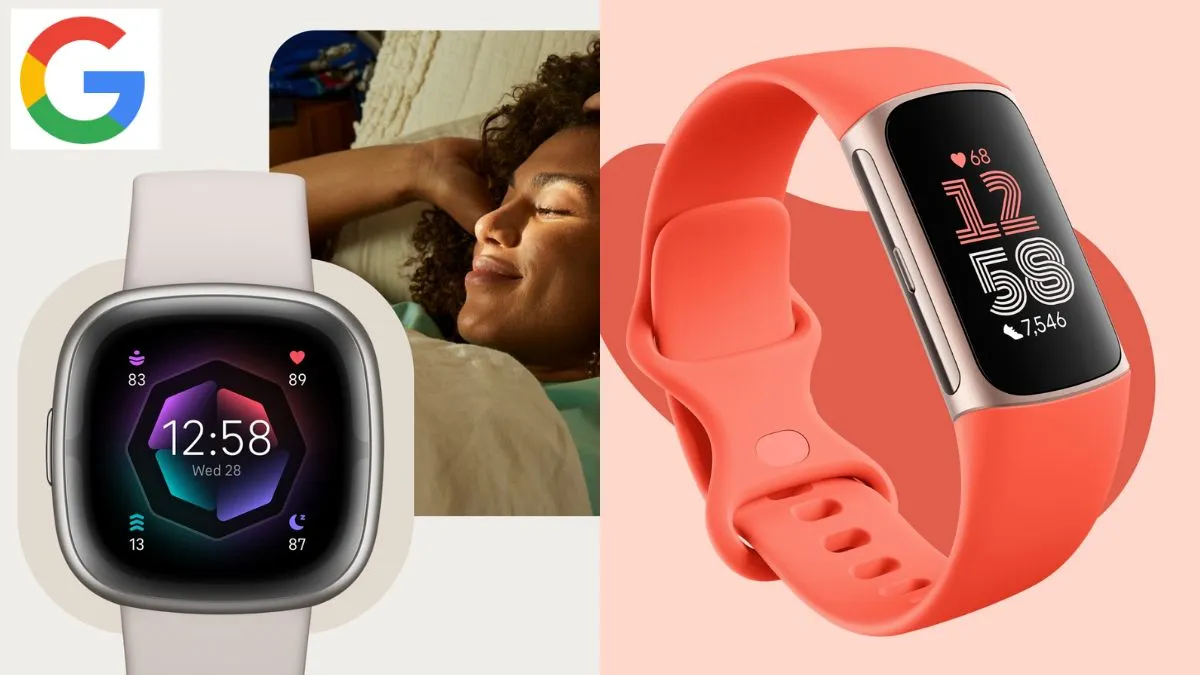
NBA superstar Stephen Curry has sparked fresh interest in wearable technology after teasing a new “screenless” fitness band tied to Google’s Fitbit lineup. The concept marks a notable shift in how fitness tracking devices may evolve—moving away from traditional displays and toward a more seamless, distraction-free user experience.
The idea of a screenless fitness band may seem counterintuitive in an era dominated by smartwatches and feature-rich displays. However, the strategy reflects a growing segment of users who prioritize simplicity, comfort, and continuous tracking over constant interaction. By eliminating the screen, the device can focus entirely on passive data collection—monitoring metrics such as heart rate, activity levels, sleep patterns, and recovery without requiring users to check or engage with a display.
Curry’s involvement is particularly significant. Known not only for his performance on the court but also for his emphasis on training, recovery, and overall wellness, he represents a demographic that values precision and efficiency in fitness tools. His endorsement suggests that the device could be tailored toward serious athletes as well as everyday users seeking reliable, low-maintenance tracking.
From a design perspective, a screenless Fitbit band opens up new possibilities. Without the need to accommodate a display, the device can be made lighter, more flexible, and potentially more durable. Battery life could also see substantial improvements, as screens are typically one of the most power-intensive components in wearables. This could result in a device that lasts significantly longer between charges—an appealing feature for users who prefer uninterrupted tracking.
The data collected by the band would likely be accessed through a companion app, integrating with Google’s broader ecosystem. This aligns with Google’s ongoing strategy of leveraging software and AI to deliver insights rather than just raw data. Instead of users constantly checking their wrist, the system could provide periodic summaries, personalized recommendations, and actionable feedback through their smartphones.
Another key advantage of a screenless design is reduced distraction. Many users find that smartwatches, while useful, can become intrusive—delivering notifications, messages, and alerts that interrupt focus. A minimalist fitness band avoids this issue entirely, positioning itself as a dedicated health tool rather than a multifunctional device.
This approach also reflects a broader trend in consumer technology: the move toward ambient computing. Rather than demanding attention, devices are increasingly designed to operate in the background, supporting users without overwhelming them. A screenless Fitbit fits squarely within this paradigm, offering a more subtle and integrated experience.
However, the concept is not without challenges. User adoption may depend on how effectively the device communicates value without a display. Clear app integration, intuitive feedback systems, and accurate tracking will be critical. Additionally, some users may still prefer the immediacy of on-device information, particularly during workouts.
In conclusion, the teased screenless Fitbit fitness band represents a potential rethinking of wearable technology. With Stephen Curry’s endorsement and Google’s ecosystem backing it, the device could appeal to users seeking simplicity, longevity, and focus in their fitness tracking. If executed well, it may signal a shift away from screen-heavy wearables toward a more streamlined and user-centric future.
