

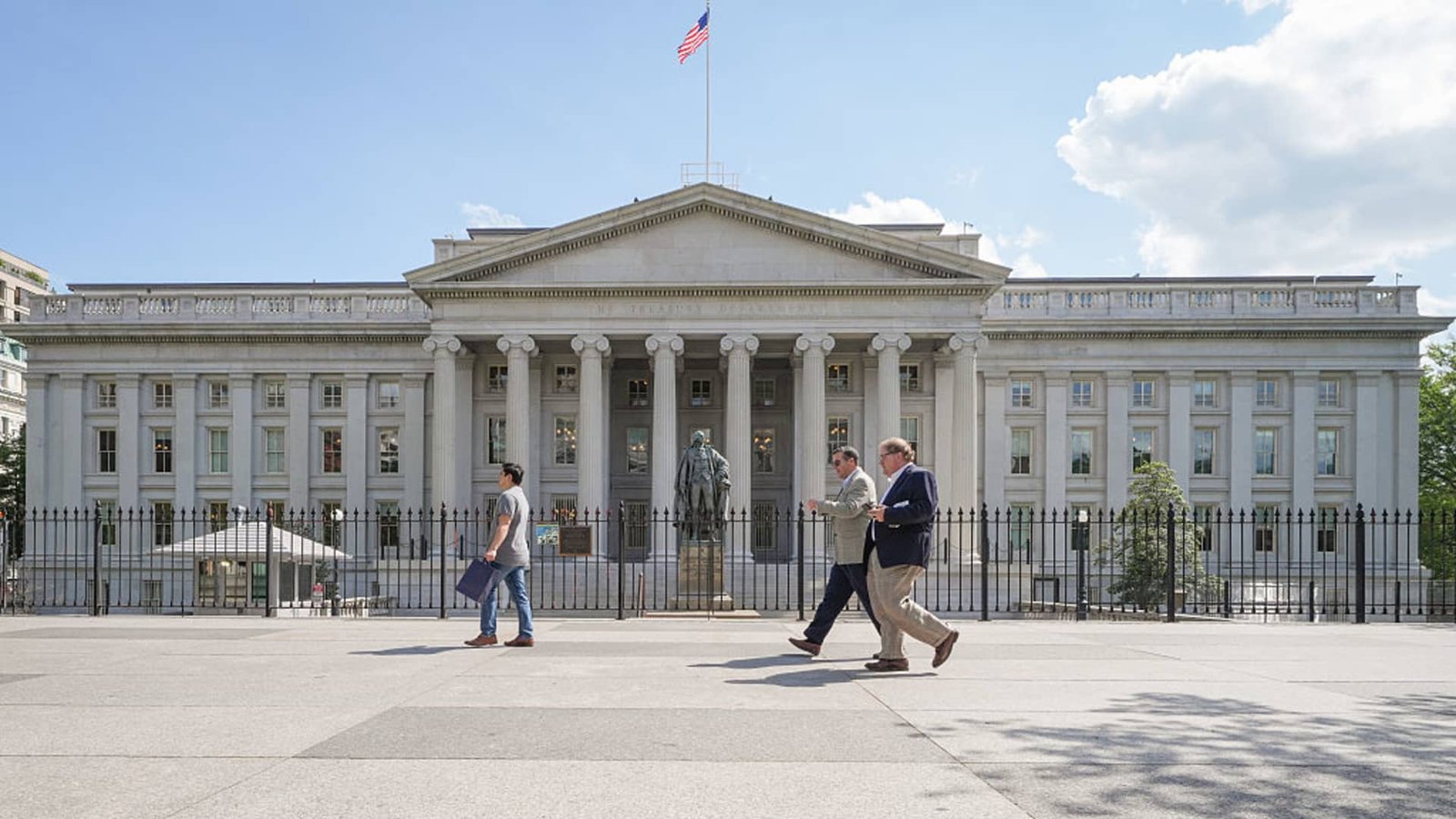
Independent analyses – ranging from Yale University to the Wharton School to the Congressional Budget Office – have each said that President Donald Trump’s budget plan will add trillions of dollars to the U.S. deficit over the next 10 years.
What’s at stake if the deficit continues on its upward trajectory? This year, the U.S. deficit is exceeding 6% of GDP, a level roughly 63% higher than the average in the past five decades. And unlike past spikes, the current one isn’t driven by war or economic crisis, leading many to raise concerns about why America might be playing with fire when it comes to its fiscal health.
CNBC’s “America’s Deficit Reckoning” explores the consequences – not how to solve the budget deficit, but what’s at stake if we don’t.
Watch the video to learn more.
Through interviews with more than a dozen top officials, economists, and investors, including Former Treasury Secretary Robert Rubin, macro investor Ray Dalio, and Former Chairman of the Joint Chiefs of Staff Mike Mullen, CNBC homes in on three potential areas of fallout: the markets, the economy, and international relations.
Markets at Risk: Persistent deficits have many prominent investors on high alert. Dalio says that the U.S. is showing “classic signs” of a late-stage debt cycle, ascribing a 50% chance of trauma in the next three years. PIMCO’s Chief Investment Officer Dan Ivascyn was a bit more sanguine – saying that he thinks a crisis of investor confidence is unlikely in the U.S., but has been diversifying away from Treasuries. That mirrors some recent activity in the bond market, which hasn’t been overtly reacting to the new budget plan. Still, the bond vigilantes will police the deficit when they feel it’s necessary: Ed Yardeni, who coined the term in the early ’80s, says they’re more powerful than ever.
Economic Strain: If Americans benefit from policies like tax cuts and higher spending, why should they care about the longer-term implications of wider deficits? The most apparent risk to the economy is inflation, which would keep interest rates higher and “crowd out” private investment. Additionally, when interest payments become a higher proportion of Federal outlays, they drain resources that would otherwise go to other budget line items, says Maya MacGuineas of the Committee for a Responsible Federal Budget. And it hinders the government’s ability to respond in the event of an emergency. But some of the worst economic effects will be felt by future generations, who, according to one GenZ’er interviewed by CNBC, are already concerned the deficit will impede their ability to collect social services.
International Implications: Admiral Michael Mullen, former chairman of the Joint Chiefs of Staff, once called the national debt the “greatest threat to national security.” His concern was that as debt levels increase and rates remain higher, that it could squeeze discretionary defense spending. As historian Niall Ferguson warns: a great power that spends more on interest payments than defense breaches a threshold that historically has preceded a decline. The U.S. crossed that red line last year. There’s also a significant interdependence between the U.S. and its foreign creditors – especially China and Japan, so if global investors begin to truly question America’s fiscal health, the ripple effects could extend beyond the bond markets.
The Clock Is Ticking: Experts at the Penn Wharton Budget Model estimate the U.S. has less than 20 years to fix its fiscal trajectory. After that, even aggressive tax hikes or spending cuts may not be enough to stave off default — implicit or otherwise. While the U.S. can technically print its way out of debt, doing so risks runaway inflation, economic contraction, and geopolitical fallout.
As former Treasury Secretary Rubin puts it, we may be entering uncharted territory. The time to prepare is now—before markets force our hand.
