

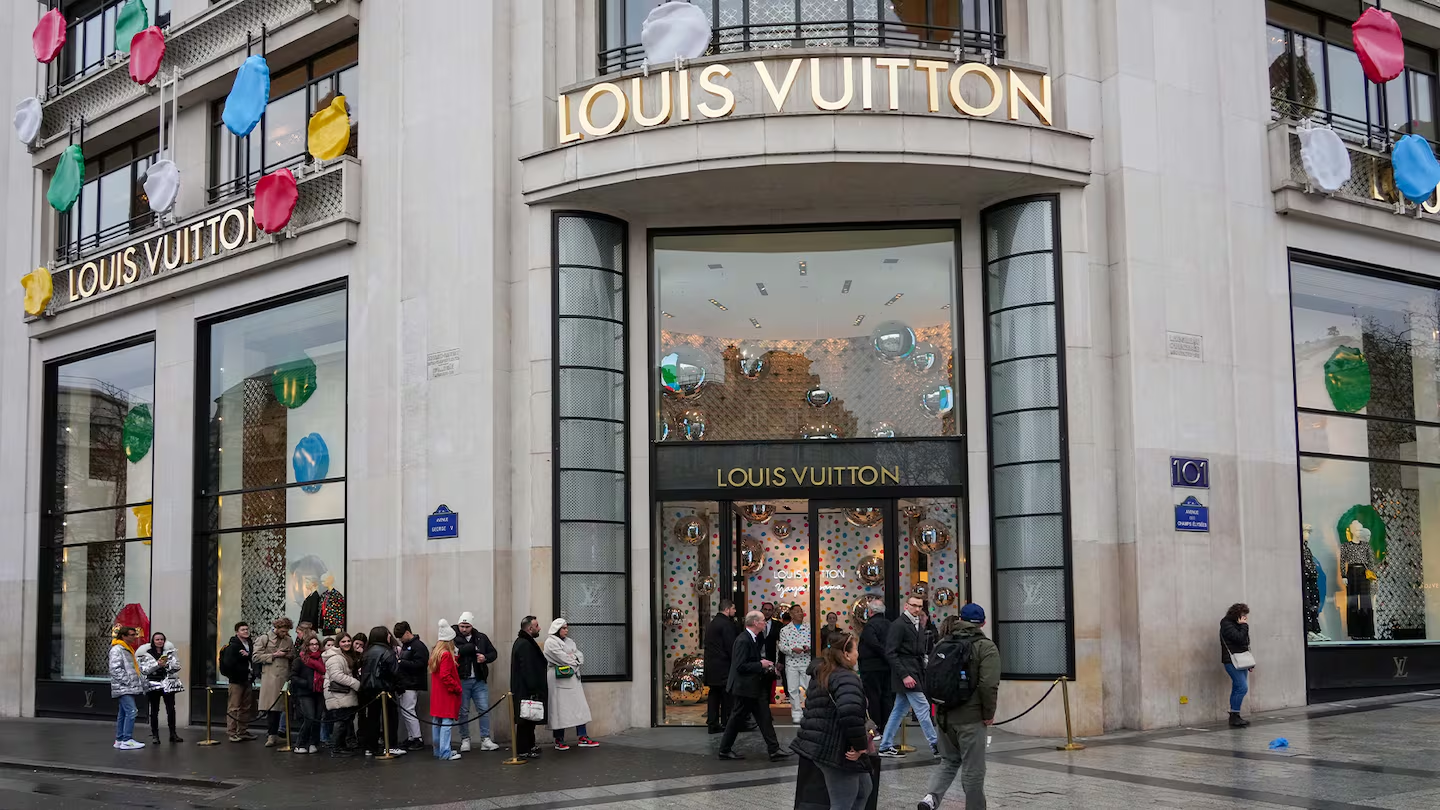
The luxury industry is changing. In the past, many luxury brands focused mainly on high prices, famous names, and strong sales. Today, customers expect much more. They want quality, exclusivity, meaningful stories, and brands that reflect their personal values.
This shift is changing the role of the luxury CEO. Modern luxury leaders must balance business growth with craftsmanship, scarcity, cultural relevance, and customer trust. Revenue remains important, but it is no longer the only measure of success.
From fashion and jewelry to watches, beauty, and luxury travel, brands must understand what makes their products special. The new luxury CEO must protect brand identity while adapting to changing customer expectations.
What Is a New Luxury CEO?
A new luxury CEO is a business leader who combines traditional luxury values with modern business strategies. These leaders focus on long-term brand value, product quality, customer relationships, and cultural influence alongside financial performance.
They understand that luxury is not simply about selling expensive products. It is about offering an experience that customers cannot easily find elsewhere.
For example, a luxury handbag may attract buyers because of its design, but its craftsmanship, materials, heritage, and limited availability can make it even more desirable.
Modern luxury CEOs must protect these qualities while managing costs, expanding markets, and creating sustainable business growth.
1. Craftsmanship Remains the Foundation of Luxury
Craftsmanship is one of the most important parts of a successful luxury brand. Customers expect luxury products to offer exceptional quality, attention to detail, and lasting value.
A handmade watch, carefully designed piece of jewelry, or expertly tailored garment can represent years of skill and experience. These details help separate luxury products from mass-produced alternatives.
Luxury CEOs must invest in skilled workers, product development, quality control, and traditional techniques. They also need to make sure that growing production does not reduce product quality.
When customers understand the time and expertise behind a product, they may develop a stronger emotional connection with the brand.
In a competitive market, craftsmanship gives luxury companies a reason to stand apart beyond price and advertising.
2. Scarcity Makes Luxury More Desirable
Scarcity is another important part of the luxury business model. Limited production, exclusive collections, and carefully managed availability can increase the appeal of a luxury product.
However, scarcity must feel authentic. Customers may lose trust if brands create artificial shortages simply to increase prices.
Luxury CEOs need to find the right balance between exclusivity and commercial growth. Producing too many products can weaken a brand’s special appeal, while producing too few can limit sales and frustrate loyal customers.
Some brands manage scarcity through limited-edition collections, special collaborations, or products made in small quantities.
The goal is not simply to sell fewer products. It is to ensure that every product supports the brand’s identity, quality, and long-term desirability.
3. Cultural Relevance Helps Luxury Brands Stay Modern
Luxury brands must respect their heritage while remaining relevant to modern consumers. Cultural relevance means understanding the people, ideas, lifestyles, and creative movements that influence customers today.
Social media, celebrity partnerships, fashion events, art, music, and digital communities can all shape how consumers view luxury brands.
Younger customers, especially Gen Z and millennials, often look for brands that reflect their identity and interests. They may value a product’s design and quality while also considering its story, values, and cultural significance.
Luxury CEOs must therefore understand more than sales figures. They need to know how their brands are discussed, experienced, and perceived by different audiences.
Successful cultural relevance does not mean following every trend. It means choosing partnerships and creative ideas that fit the brand’s identity.
4. Why Revenue Is No Longer the Only Measure of Success
Revenue remains essential because every luxury business needs financial stability. However, strong short-term sales do not always mean that a brand is becoming stronger.
A company may increase revenue through heavy discounting, excessive production, or rapid expansion. These strategies can sometimes weaken exclusivity and damage long-term brand perception.
Modern luxury CEOs must consider several measures of success, including:
- Brand desirability: Do customers still want the products?
- Customer loyalty: Are buyers returning to the brand?
- Product quality: Does the brand maintain high standards?
- Pricing power: Can the company maintain prices without relying heavily on discounts?
- Cultural influence: Does the brand remain relevant to its audience?
- Profitability: Is the company growing in a financially sustainable way?
By examining these factors together, leaders can make better decisions about expansion, pricing, production, and marketing.
5. Technology and Personalization Are Changing Luxury
Technology is creating new opportunities for luxury brands. Artificial intelligence, customer data, digital retail, and virtual experiences can help companies understand their customers and deliver more personalized services.
For example, a luxury retailer may use customer preferences to recommend products, while a watch brand may offer digital tools that explain the history and craftsmanship of a collection.
However, technology should improve the luxury experience rather than make it feel ordinary.
Customers still value personal attention, expert advice, private shopping experiences, and human relationships. The strongest luxury businesses combine digital convenience with thoughtful, personal service.
Luxury CEOs must decide where technology adds genuine value and where the human touch remains essential.
6. The Future of Luxury Leadership
The future of luxury leadership will depend on balancing tradition with innovation. CEOs must protect the qualities that make their brands desirable while responding to changing customer expectations.
This includes investing in craftsmanship, maintaining carefully managed product availability, choosing meaningful cultural partnerships, and building stronger customer relationships.
Sustainability and responsible sourcing may also become increasingly important as consumers ask more questions about materials, production methods, and product longevity.
Luxury companies that focus only on rapid growth may miss opportunities to build lasting customer trust. Brands that protect their identity while adapting thoughtfully may be better positioned for long-term success.
Conclusion
The new luxury CEO must understand that luxury is built on more than revenue. Craftsmanship creates quality, scarcity supports exclusivity, and cultural relevance keeps a brand connected to modern consumers.
Financial performance remains important, but long-term success also depends on customer trust, brand desirability, and a clear identity.
As the luxury industry evolves, the strongest leaders will be those who know when to innovate and when to protect tradition. Their goal is not simply to sell more products. It is to build brands that people continue to value for generations.
