

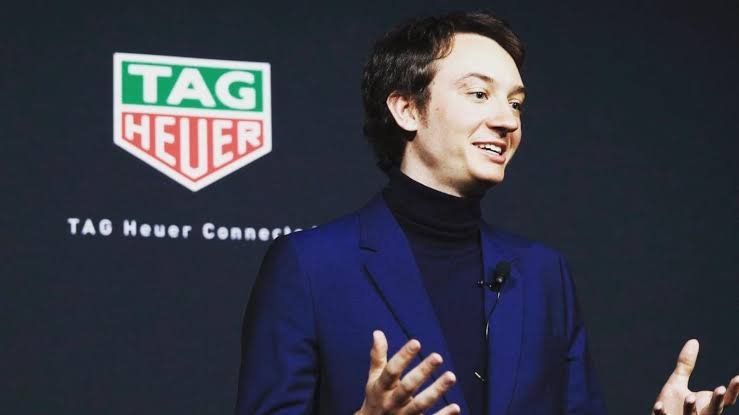
In the luxury fashion industry, success is not always about selling more products. Sometimes, it is about keeping products rare, protecting quality, and creating a feeling of exclusivity. This is where scarcity becomes a powerful business strategy. Frédéric Arnault’s connection to the luxury world has attracted attention as the next generation of leaders continues to shape the future of high-end brands.
Loro Piana, known for its exceptional cashmere, fine wool, and premium fabrics, represents a different kind of luxury. Instead of relying mainly on bold logos or seasonal trends, the Italian brand focuses on quality, craftsmanship, comfort, and timeless design. Its approach makes scarcity an important part of its potential long-term value.
As luxury consumers become more selective, the question is simple: can keeping products rare make a brand more desirable and profitable? Understanding Loro Piana’s strategy offers useful lessons about the future of luxury business.
Who Is Frédéric Arnault?
Frédéric Arnault is a French business executive and a member of the Arnault family, which is closely associated with LVMH, one of the world’s largest luxury groups. He has built his career in luxury watches and brand management, including leadership roles at TAG Heuer and other LVMH businesses.
His experience reflects a broader shift in the luxury sector. Modern luxury leaders must protect a brand’s heritage while adapting to changing customer expectations, digital shopping habits, and global competition.
However, it is important to distinguish the broader Arnault family’s luxury strategy from specific decisions made by Loro Piana. Any direct strategic responsibility for Loro Piana should be confirmed through official company announcements rather than assumed.
What Makes Loro Piana Different From Other Luxury Brands?
Loro Piana has developed its reputation through premium natural fibres, understated design, and attention to detail. The brand is particularly associated with cashmere and exceptionally fine wool, including fibres sourced from specialised producers.
Its products often feature subtle colours, clean shapes, and minimal visible branding. This approach appeals to customers who prefer quiet luxury over highly visible logos.
Three factors help explain its appeal:
- Exceptional materials: High-quality natural fibres require specialised sourcing and careful processing.
- Craftsmanship: Careful production helps maintain the texture, fit, comfort, and durability expected from premium clothing.
- Timeless design: Classic products can remain desirable beyond short-lived fashion trends.
These characteristics naturally limit how easily the brand can increase production without affecting its quality standards.
Why Scarcity Could Be Loro Piana’s Most Powerful Luxury Asset
Scarcity means that a product is limited in availability. In luxury markets, it can increase perceived value when customers believe that an item offers something difficult to find elsewhere.
For Loro Piana, scarcity does not need to mean artificial shortages. It can result from the limited supply of exceptional raw materials, the time required for skilled production, or the decision to maintain strict quality standards.
1. Limited Supply Can Increase Desirability
When a luxury product is widely available, it may lose some of its exclusive appeal. By contrast, products made from rare materials or through specialised processes can feel more distinctive.
For example, fine cashmere garments depend on the quality and availability of suitable fibres. If production is expanded too aggressively, the company may face pressure on sourcing, consistency, and quality.
Maintaining responsible production levels can help protect the brand’s reputation.
2. Scarcity Can Support Premium Pricing
Luxury customers do not pay only for the physical product. They also pay for craftsmanship, heritage, service, design, and the experience associated with ownership.
When a product offers genuine quality and limited availability, customers may be more willing to accept a premium price.
However, scarcity alone cannot justify high prices forever. The product must deliver real value. If customers feel that a brand is charging more without improving quality or service, its reputation can suffer.
3. Quiet Luxury Benefits From Exclusivity
Quiet luxury focuses on quality and understated elegance rather than large logos or obvious displays of wealth.
Loro Piana fits this approach through refined fabrics, subtle colours, and classic silhouettes. Its products can communicate exclusivity through material quality and design rather than advertising-heavy branding.
Scarcity may strengthen this position because customers can feel that they are buying something distinctive without needing to display a prominent logo.
4. Scarcity Can Protect Brand Identity
Luxury brands face a difficult challenge when demand grows quickly. Increasing production and opening more stores may generate revenue, but excessive expansion can make a brand feel less exclusive.
A controlled approach allows a company to grow while protecting its identity. This may include selective distribution, carefully chosen retail locations, limited product runs where appropriate, and consistent quality standards.
For Loro Piana, protecting its reputation for premium materials may be more valuable over time than maximising short-term sales volumes.
The Business Risks of a Scarcity Strategy
Although scarcity can be powerful, it also creates risks.
First, products that are too difficult to purchase may frustrate loyal customers. Second, limited availability can encourage unauthorised reselling and counterfeiting. Third, customers may lose interest if the brand becomes inaccessible or fails to offer enough variety.
There is also a sustainability consideration. Rare materials should be sourced responsibly, and claims about exclusivity should reflect genuine production realities rather than marketing language.
The strongest approach is to balance availability with quality. A luxury brand needs enough products to serve its intended customers while avoiding growth that weakens its identity.
What Loro Piana’s Strategy Means for the Future of Luxury
The future of luxury may depend less on how many products a company sells and more on how effectively it protects customer trust.
Consumers increasingly encounter premium products through social media, celebrity culture, and online shopping. As a result, many brands face pressure to expand quickly. Yet excessive visibility and mass availability can reduce the sense of discovery that makes luxury attractive.
A brand such as Loro Piana can offer a different model: invest in materials, preserve craftsmanship, maintain consistent quality, and grow carefully.
For luxury executives, including the next generation of leaders in the wider LVMH ecosystem, the challenge is to modernise businesses without losing the qualities that made them desirable.
Frédéric Arnault’s career in luxury management provides a relevant lens through which to examine these wider industry questions, although Loro Piana’s specific strategy should be assessed through its own business decisions and official statements.
Conclusion
Scarcity could be one of Loro Piana’s most valuable luxury assets because it supports exclusivity, protects quality, and reinforces the brand’s focus on exceptional materials. Its appeal does not depend only on limited availability; it depends on the genuine craftsmanship and design behind each product.
For luxury businesses, the lesson is clear: sustainable desirability comes from offering something meaningful, not simply making products harder to buy.
If Loro Piana can balance controlled growth with excellent quality and responsible sourcing, it can continue to strengthen its position in the quiet luxury market. In the long run, protecting what makes a brand special may prove more valuable than producing more for the sake of growth.
