

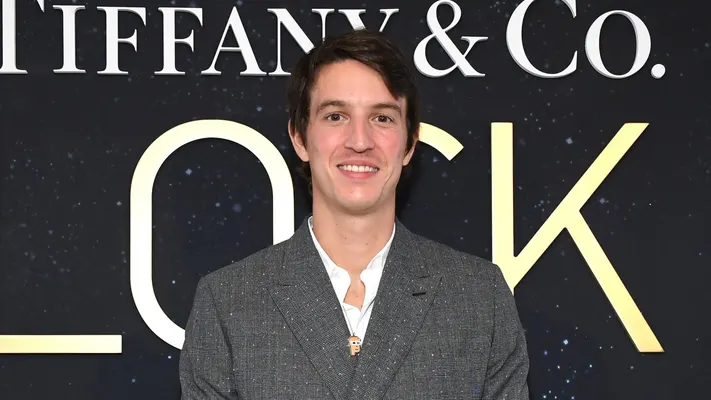
Alexandre Arnault has become one of the most interesting young figures in the global luxury industry. His career has moved across major names such as Rimowa, Tiffany & Co., and Nike, showing how luxury leadership is changing in the digital age.
Rather than following a traditional path inside one fashion house, Arnault has built experience across luggage, jewelry, technology, branding, and sportswear. His career offers an example of how modern luxury executives can combine heritage with technology, celebrity culture, social media, and new forms of storytelling.
Who Is Alexandre Arnault?
Alexandre Arnault is a French business executive and a member of the Arnault family, one of the best-known families in the luxury industry.
He is the son of Bernard Arnault, the chairman and CEO of LVMH, the luxury group behind brands including Louis Vuitton, Dior, Fendi, Bulgari, and many others.
However, Alexandre Arnault has developed his own professional identity. His career has included leadership roles at Rimowa and Tiffany & Co., giving him experience in both traditional luxury and modern brand building.
His work has often focused on making established luxury brands feel relevant to younger consumers.
How Rimowa Changed His Career
One of the biggest steps in Alexandre Arnault’s career came at Rimowa.
Rimowa is famous for its premium aluminum luggage and distinctive grooved design. The brand had a long history, but its transformation under LVMH ownership became an important example of how a traditional luxury company could become culturally relevant to a new generation.
Arnault joined Rimowa as CEO and became closely associated with its modernization.
The strategy was not simply about selling luggage. Rimowa increasingly became a lifestyle and fashion brand.
The company collaborated with well-known names and brands, including designers, artists, and fashion companies. These partnerships helped turn luggage into a cultural product rather than simply a travel accessory.
This approach demonstrated an important idea: luxury products can become part of popular culture when brands create stories around them.
The Importance of Digital Marketing
Another major part of Arnault’s career has been his understanding of digital communication.
Luxury brands traditionally depended heavily on physical stores, fashion magazines, events, and long-established reputations. Today, social media plays a much larger role.
Consumers discover luxury products through Instagram, TikTok, YouTube, celebrities, athletes, influencers, and online communities.
Arnault has been part of a generation of luxury executives that understands this shift.
The goal is not necessarily to make luxury cheaper or more accessible. Instead, digital platforms can make luxury more visible and culturally relevant.
This distinction is important.
A luxury product can remain expensive and exclusive while its story reaches millions of people online.
The Tiffany & Co. Chapter
Alexandre Arnault later moved to Tiffany & Co., another major luxury name within LVMH.
Tiffany has one of the strongest histories in American jewelry. Its blue packaging, diamond jewelry, engagement rings, and iconic designs have made it recognizable around the world.
But heritage alone is not enough in modern luxury.
Tiffany needed to connect its historic reputation with younger audiences and contemporary culture.
Arnault became involved in communications and image-related work at the company. The broader Tiffany strategy included major celebrity campaigns, cultural partnerships, product launches, and renewed attention to the brand’s visual identity.
One of the most visible examples was Tiffany’s work with global celebrities and musicians.
The brand increasingly appeared in entertainment, music, sports, and popular culture.
This helped create a different image of Tiffany—one that could preserve its heritage while also becoming part of modern celebrity culture.
Why Nike Matters in His Career Story
The connection between Alexandre Arnault and Nike adds another interesting dimension to his professional story.
Nike is not a traditional luxury jewelry or fashion house. It is a global sportswear company.
However, Nike has mastered something luxury brands increasingly value: cultural influence.
Nike understands how products can become symbols of identity, lifestyle, creativity, and status.
The relationship between luxury and sportswear has also become stronger over the years. Sneakers, athletes, limited editions, celebrity collaborations, and streetwear have changed how consumers think about fashion.
For luxury executives, the lesson is clear.
The boundaries between luxury, fashion, sports, entertainment, and technology are becoming less rigid.
A New Kind of Luxury Career
Alexandre Arnault’s career represents a broader change in the luxury business.
In the past, an executive might spend decades developing expertise in one traditional area such as retail, merchandising, manufacturing, or finance.
Today, luxury leadership requires a much wider skill set.
Modern luxury executives need to understand:
- Brand storytelling
- Social media
- Celebrity partnerships
- E-commerce
- Digital marketing
- Consumer behavior
- Technology
- Global culture
- Sports and entertainment
- Heritage and craftsmanship
Arnault’s career touches many of these areas.
That makes his professional journey interesting beyond the brands themselves.
Why Luxury Brands Want Cultural Relevance
Luxury companies face a difficult challenge.
They need to protect exclusivity while remaining culturally relevant.
If a brand becomes too exclusive and disconnected, younger consumers may lose interest. But if a luxury company becomes too mainstream, it can weaken its sense of rarity.
The solution is often controlled cultural visibility.
A luxury brand can collaborate with a famous musician, athlete, artist, or designer while maintaining premium pricing and selective distribution.
This is one reason collaborations have become so powerful.
They introduce heritage brands to new communities without completely changing their identity.
What Businesses Can Learn From Alexandre Arnault
There are several lessons entrepreneurs and marketers can take from Arnault’s career.
1. Heritage Can Be Modernized
Old brands do not necessarily need to abandon their history. They can use their heritage as a foundation for modern storytelling.
2. Collaboration Creates Attention
Strategic partnerships can introduce a brand to audiences it could not reach alone.
3. Products Need Stories
Consumers increasingly buy more than physical products. They buy identity, emotion, history, and cultural meaning.
4. Digital Presence Matters
Even premium brands need to understand how customers discover and discuss products online.
5. Luxury Is Becoming More Connected
Fashion, jewelry, sports, entertainment, technology, and social media increasingly influence one another.
What Could Be Next for Alexandre Arnault?
It is difficult to predict exactly where Alexandre Arnault’s career will go next.
However, his professional background suggests that he is comfortable working at the intersection of luxury, technology, culture, and marketing.
That combination could become even more valuable as luxury companies compete for younger global consumers.
The next generation of luxury leaders may not simply manage products. They may manage entire cultural ecosystems around brands.
Alexandre Arnault’s career is an early example of this shift.
Conclusion
From Rimowa to Tiffany & Co. and connections with major global brands and cultural partners, Alexandre Arnault’s career shows how the luxury industry is evolving.
His approach combines traditional luxury values with digital communication, collaborations, celebrity culture, and modern consumer behavior.
The biggest lesson is simple: modern luxury is no longer only about the product. It is also about the culture surrounding the product.
As luxury brands compete for attention in an increasingly digital world, executives who understand both heritage and modern culture could play an important role in shaping the industry’s future.

3 Comments
Pingback: Why Luxury CEOs Are Thinking More Like Cultural Strategists Than Traditional Retail Executives - CEO Feature | Global CEO, Entrepreneur & Business Leadership Magazine
Pingback: Elon Musk’s xAI Is Building a New AI Power Centre—Where Does Grok Fit Into the Global AI Race? - CEO Feature | Global CEO, Entrepreneur & Business Leadership Magazine
Pingback: Romain Spitzer Takes the Helm at Bottega Veneta—What the New CEO Brings to Kering’s Luxury Strategy - CEO Feature | Global CEO, Entrepreneur & Business Leadership Magazine