

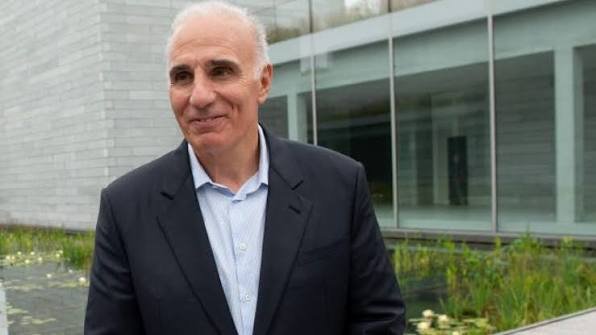
Mitchell P. Rales is a well-known American businessman, investor, and philanthropist. He is best known as a co-founder of Danaher Corporation and for his leadership role as Chairperson of ESAB Corporation, a global company focused on welding and cutting technologies. His career reflects a long-term approach to business, investment, innovation, and corporate growth.
For readers searching for Mitchell P. Rales, his connection with ESAB, and his business journey, this article explains the key facts in simple language.
Who Is Mitchell P. Rales?
Mitchell P. Rales is an American entrepreneur and investor who has spent decades building and supporting businesses. He became widely recognized through his work with Danaher Corporation, which he co-founded with his brothers Steven and Philip Rales.
Rales has also been active in the arts and philanthropy. Together with his wife, Emily Wei Rales, he has supported major cultural projects and helped establish the Glenstone Museum in Potomac, Maryland.
His career combines business leadership with a strong interest in art, culture, and philanthropy.
Mitchell P. Rales and Danaher
One of the most important chapters in Rales’ career was the creation and development of Danaher.
The company was founded in 1969 by Mitchell Rales, Steven Rales, and their father, Norman Rales, with the brothers later becoming central figures in the company’s development. Danaher eventually became a major global company with businesses across areas such as life sciences, diagnostics, and environmental solutions.
A key part of the company’s success was its management philosophy. Danaher became known for applying disciplined operational methods to improve the performance of its businesses.
The Danaher Business System, often associated with continuous improvement and operational discipline, became an important part of the company’s corporate culture.
Rales’ experience at Danaher helped shape his broader approach to investing and business leadership.
What Is ESAB Corporation?
ESAB Corporation is a global industrial company that provides products and technologies used in welding and cutting applications.
Its products and solutions serve industries such as construction, manufacturing, infrastructure, transportation, and energy.
ESAB became an independent publicly traded company after its separation from Colfax Corporation in 2022. The company operates internationally and has built a portfolio of welding and cutting brands and technologies.
Mitchell P. Rales became Chairperson of ESAB, bringing his experience in business building, investment, and corporate governance to the company.
Mitchell P. Rales as Chairperson of ESAB
As Chairperson, Rales has an important governance role at ESAB. The chairperson works with the board of directors and helps provide oversight and strategic guidance.
Rales’ background is particularly relevant to an industrial company because his career has involved acquiring, developing, and managing businesses across different industries.
His experience can be viewed as part of ESAB’s broader focus on operational improvement, innovation, disciplined investment, and long-term growth.
Rather than being responsible for every daily operational decision, a board chair generally works with other directors and company leadership on major strategic matters, governance, and long-term direction.
Mitchell P. Rales’ Business Approach
Several themes stand out in Rales’ business career.
1. Long-Term Thinking
Rales’ career demonstrates the value of looking beyond short-term results. Building large businesses often requires patience, strategic investment, and continuous improvement.
2. Operational Discipline
His connection with Danaher is closely associated with disciplined management and continuous improvement. These principles can help companies become more efficient and competitive.
3. Business Transformation
Rales has experience in developing businesses and creating value through strategic changes. His career shows how companies can evolve when leaders focus on both financial performance and operational quality.
4. Diversification
His business activities have covered different sectors. This broad exposure has given him experience in evaluating companies, markets, and investment opportunities.
5. Philanthropy and Culture
Rales is also known for his support of art and culture. The Glenstone Museum reflects his interest in creating a long-term cultural institution rather than simply making short-term contributions.
Mitchell P. Rales and Philanthropy
Business is only one part of Rales’ public profile.
Mitchell P. Rales and Emily Wei Rales are closely associated with Glenstone, an art museum and sculpture collection in Potomac, Maryland.
Glenstone combines modern and contemporary art with architecture and landscaped outdoor spaces. It has become an important cultural destination in the Washington, D.C., area.
His philanthropic work shows another side of his long-term approach: building institutions that can continue to have an impact over many years.
What Can Entrepreneurs Learn From Mitchell P. Rales?
Rales’ career offers several useful lessons for entrepreneurs and business leaders.
Think long term. Strong companies are rarely built overnight.
Focus on operations. A good idea needs an efficient system behind it.
Keep improving. Continuous improvement can help businesses remain competitive.
Understand leadership roles. Strategic oversight and daily management are different responsibilities.
Build beyond business. Rales’ involvement in philanthropy demonstrates how successful business leaders can also contribute to culture and society.
Why Mitchell P. Rales Matters in Business
Mitchell P. Rales is important because his career connects several areas of modern business: entrepreneurship, investment, industrial companies, corporate governance, and philanthropy.
His association with Danaher represents one of the most significant parts of his business legacy, while his role as Chairperson of ESAB connects his experience to the global industrial sector.
For entrepreneurs and investors, his career provides an example of how disciplined management, strategic thinking, and long-term investment can influence business growth.
Conclusion
Mitchell P. Rales has built a remarkable career across business, investment, corporate leadership, and philanthropy. From his role in building Danaher to serving as Chairperson of ESAB, his professional journey has been closely connected with business development and long-term value creation.
His story is also broader than corporate leadership. Through Glenstone and his support for the arts, Rales has created a significant cultural legacy.
For anyone studying successful entrepreneurs and business leaders, Mitchell P. Rales offers an interesting example of how business strategy, operational discipline, investment, governance, and philanthropy can come together over a long career.
