

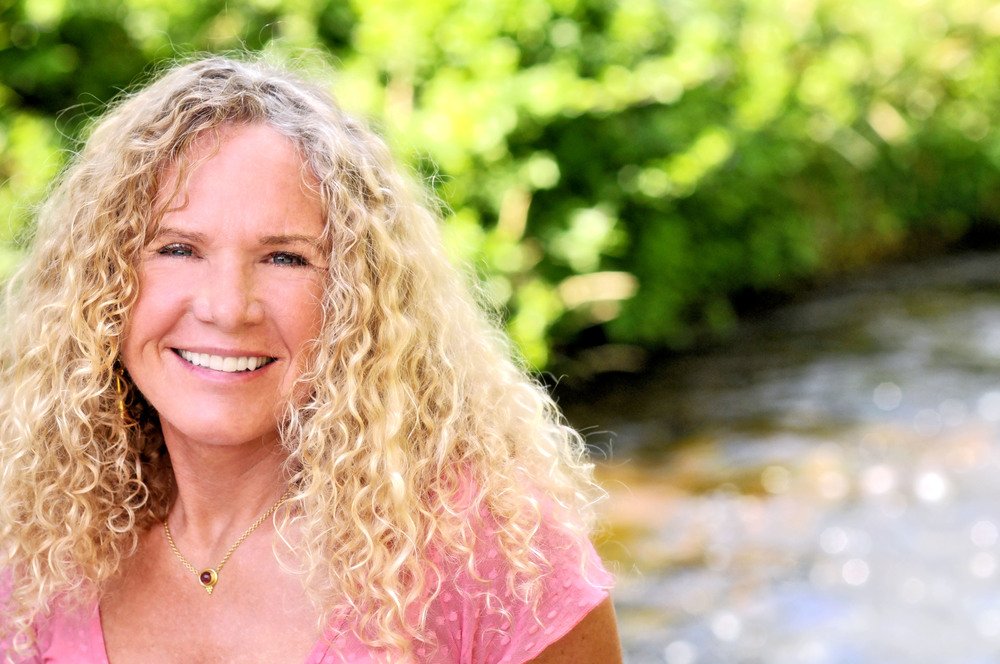
Christy Walton is an American philanthropist and a member of the Walton family, the family behind Walmart. She became one of the world’s wealthiest women after inheriting a substantial estate from her late husband, John Walton, following his death in a 2005 plane crash. Today, she is known not only for her connection to Walmart but also for her interest in philanthropy, environmental sustainability, and community well-being.
Who Is Christy Walton?
Christy Walton is the widow of John Walton, one of Sam Walton’s sons. Sam Walton co-founded Walmart with his brother James “Bud” Walton in 1962. The Walton family later became one of the most financially influential families in the United States.
Christy Walton has generally maintained a private lifestyle and has stayed away from the day-to-day management of Walmart. Her wealth primarily comes from assets connected to the Walton family’s Walmart holdings and investments inherited from her husband. Forbes continues to rank her among the world’s wealthiest individuals.
How Did Christy Walton Become Wealthy?
Christy Walton’s financial story is closely connected to the Walton family’s ownership of Walmart.
Her husband, John Walton, was the second son of Walmart founder Sam Walton. John was also known for his military service and philanthropic interests. After John Walton died in an airplane accident in Wyoming in 2005, his estate was divided among his family and charitable trusts.
According to Forbes, Christy Walton inherited approximately one-sixth of her husband’s estate, while their son, Lukas Walton, received approximately one-third. The remaining assets went to charitable trusts established in John’s name.
This inheritance made Christy Walton one of the most prominent members of the Walton family.
Christy Walton’s Approach to Philanthropy
Christy Walton’s philanthropic interests have extended beyond traditional charitable giving. Her activities have included support for environmental causes, community organizations, education, and institutions focused on improving society.
Her philanthropic work is also connected to the broader tradition of giving established by the Walton family.
The Walton Family Foundation was established by Sam and Helen Walton in 1987. The foundation focuses on three major areas: education and lifelong opportunity, protecting rivers and oceans, and strengthening communities in Northwest Arkansas and the Arkansas-Mississippi Delta.
The foundation describes its approach as long-term and focused on creating lasting solutions rather than only addressing short-term problems.
Why Is Environmental Sustainability Important to Christy Walton?
Environmental sustainability has become an important part of Christy Walton’s philanthropic and investment interests.
Forbes reports that Walton established Cuna del Mar in 2010, an investment fund focused on companies working toward more sustainable seafood production. The goal reflects a broader interest in protecting marine resources while supporting businesses that can contribute to a more sustainable food system.
Her environmental interests demonstrate how wealthy philanthropists can combine charitable goals with investments designed to address long-term social and environmental challenges.
Christy Walton and the Walton Family Legacy
The Walton family has built a significant philanthropic legacy alongside its business wealth.
The Walton Family Foundation says its work is guided by a belief that people can accomplish more when they have opportunity and encouragement. Its current programs focus on education, environmental conservation, and regional development. In 2024, the foundation awarded $548.8 million in grants across its areas of work.
Christy Walton is part of this wider Walton family legacy, although she maintains a much more private public profile than some other members of the family.
Her son, Lukas Walton, has also developed his own philanthropic and impact-investing interests, particularly around sustainability and environmental issues.
What Can We Learn From Christy Walton’s Story?
Christy Walton’s story offers several lessons about wealth and philanthropy.
First, inherited wealth can create an opportunity to support causes that extend beyond personal financial interests. Second, philanthropy can involve long-term investments in education, environmental protection, and communities. Third, sustainable investing can connect financial resources with efforts to solve environmental problems.
Her relatively private lifestyle also shows that philanthropy does not always require a highly public personal profile.
Christy Walton’s Legacy
Christy Walton remains an important figure in the history of the Walton family and American philanthropy. Her financial position came largely through inheritance, but her philanthropic interests have helped shape how she is viewed beyond her connection to Walmart.
Her focus on environmental sustainability, community well-being, and charitable causes reflects a broader trend among major philanthropists: using private wealth to support long-term solutions to social and environmental challenges.
As the Walton family continues to influence business and philanthropy in the United States, Christy Walton’s story remains an example of how inherited wealth can become a resource for charitable and impact-oriented initiatives.
Conclusion
Christy Walton’s journey is closely tied to one of America’s most successful business families, but her story extends beyond Walmart. Through philanthropy, environmental interests, and support for community-focused initiatives, she has used a significant portion of her financial resources in areas that address long-term social and environmental challenges.
Her life illustrates how wealth, inheritance, and philanthropy can intersect—and how a private individual can have a significant influence on charitable and sustainability-focused efforts.
