


The automotive industry is changing faster than ever before. Electric vehicles (EVs), smart technology, and sustainable transportation are shaping the future of mobility. At the center of this transformation is Jim Farley, the CEO of Ford Motor Company, who has become one of the most influential leaders in the global automotive industry.
Since becoming CEO in 2020, Jim Farley has focused on making Ford more innovative, technology-driven, and competitive in the electric vehicle market. His leadership has helped the company accelerate its transition from traditional gasoline-powered vehicles to modern electric cars while maintaining Ford’s strong heritage.
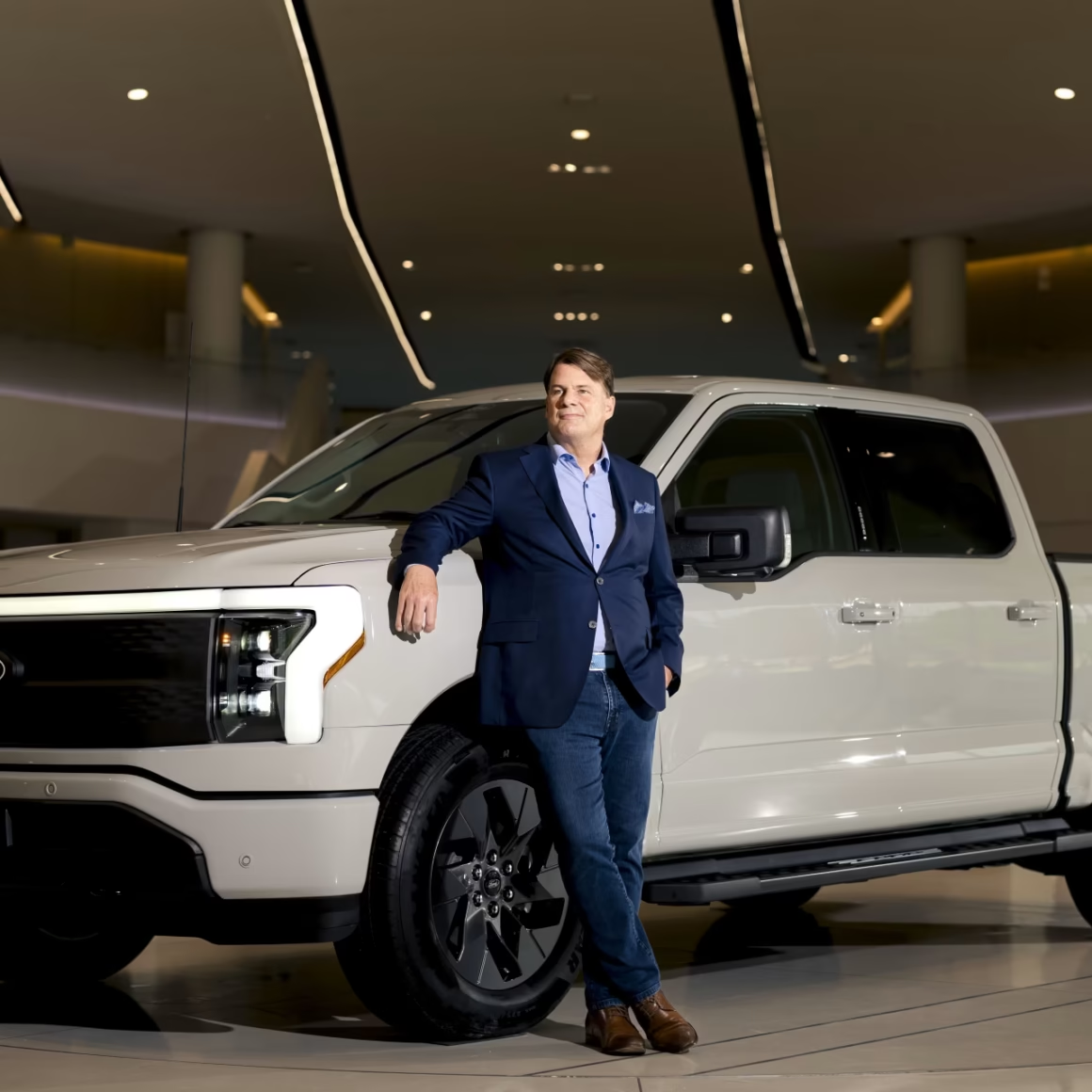
Who Is Jim Farley?
Jim Farley is the President and CEO of Ford Motor Company. Before joining Ford, he built a successful career in the automotive industry and gained valuable experience in marketing, product development, and global business strategy.
Throughout his career, Farley has earned a reputation for understanding customer needs, encouraging innovation, and making bold business decisions. His leadership style combines long-term vision with practical execution, making him one of today’s most respected business executives.
Leading Ford’s Electric Vehicle Revolution
The global demand for electric vehicles continues to grow as consumers and governments seek cleaner transportation options. Jim Farley recognized this shift early and made electric mobility one of Ford’s top priorities.
Under his leadership, Ford has significantly increased investments in EV technology, battery production, software development, and manufacturing facilities. The company’s goal is to create electric vehicles that are practical, reliable, and affordable for everyday drivers.
Ford has introduced several popular electric models that demonstrate the company’s commitment to innovation while preserving the performance and quality customers expect.
Ford’s Transformation Under Jim Farley
Jim Farley has led one of the biggest transformations in Ford’s history. Rather than simply producing vehicles, Ford is evolving into a technology-focused mobility company.
Some of the key areas of transformation include:
- Expanding electric vehicle production.
- Investing in battery manufacturing.
- Improving vehicle software and connectivity.
- Enhancing digital customer experiences.
- Modernizing factories with advanced technology.
- Focusing on sustainable manufacturing practices.
These initiatives position Ford for long-term growth in an increasingly competitive automotive market.
Innovation Through Technology
Jim Farley believes technology will define the future of transportation. Modern vehicles are becoming more connected, intelligent, and software-driven than ever before.
Ford continues investing in:
- Advanced driver assistance systems.
- Connected vehicle services.
- Over-the-air software updates.
- Artificial Intelligence for vehicle performance.
- Smart manufacturing processes.
These innovations improve safety, convenience, and the overall driving experience for customers.
A Strong Focus on Sustainability
Environmental responsibility has become an important business priority across the automotive industry. Jim Farley has made sustainability a central part of Ford’s long-term strategy.
The company continues working toward:
- Lower carbon emissions.
- Increased use of renewable energy.
- Sustainable manufacturing facilities.
- Responsible battery production.
- Recycling and waste reduction initiatives.
These efforts help Ford contribute to a cleaner future while meeting changing consumer expectations.
Leadership Style That Inspires Growth
Jim Farley is known for being open, customer-focused, and willing to embrace change. He encourages teamwork, innovation, and continuous improvement across the organization.
His leadership emphasizes:
- Listening to customers.
- Making data-driven decisions.
- Encouraging innovation.
- Building strong partnerships.
- Adapting quickly to market changes.
This approach has helped Ford remain competitive during a period of major industry transformation.
Challenges Along the Way
Leading a global automotive company is never easy. Jim Farley has faced several major challenges, including supply chain disruptions, rising production costs, increasing global competition, and rapid technological change.
Despite these obstacles, Ford continues investing in future technologies while balancing profitability and long-term growth.
Business Lessons from Jim Farley
Entrepreneurs and business leaders can learn valuable lessons from Jim Farley’s leadership journey:
- Embrace innovation before competitors do.
- Listen carefully to customer feedback.
- Invest in long-term growth.
- Adapt quickly to changing markets.
- Build strong teams with shared goals.
- Balance tradition with innovation.
- Stay focused during challenging times.
These principles apply not only to the automotive industry but to businesses of all sizes.

The Future of Ford
Jim Farley’s vision extends far beyond electric vehicles. He aims to make Ford a global leader in connected mobility, intelligent transportation, and sustainable manufacturing.
As electric vehicle adoption continues to grow worldwide, Ford is expected to play an increasingly important role in shaping the future of transportation.
With continued investment in innovation, technology, and customer experience, Jim Farley is positioning Ford to compete successfully in the next generation of the automotive industry.
Conclusion
Jim Farley has become one of the most influential CEOs in the automotive world by leading Ford through a historic transformation. His commitment to electric vehicles, advanced technology, sustainability, and customer-focused innovation has helped reshape one of America’s most iconic automobile companies.
As the world moves toward cleaner and smarter transportation, Jim Farley’s leadership will continue to influence the future of mobility. His journey demonstrates that visionary leadership, strategic thinking, and a willingness to embrace change are essential for long-term business success.
