

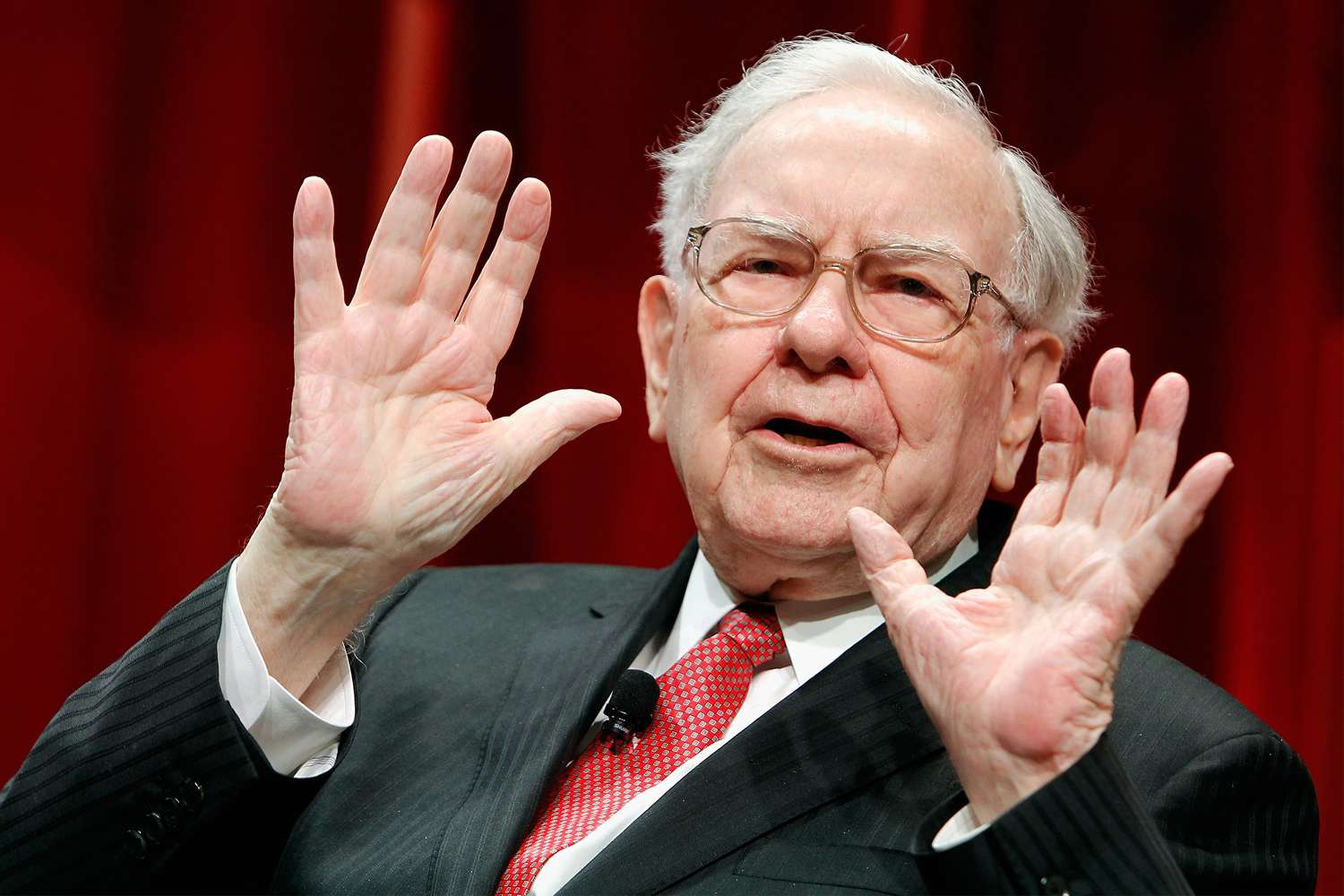
Warren Buffett rarely offers unqualified praise, especially when it comes to matters of capital allocation. That is what made his recent remarks about his successor so striking. In a wide-ranging interview conducted shortly after he stepped down as chief executive, Buffett offered what many observers described as his most emphatic endorsement yet of Greg Abel, the man now responsible for running Berkshire Hathaway.
Buffett said he would rather trust Abel with his personal fortune than any leading investment adviser or corporate chief in the country. Given that Buffett’s stake in Berkshire is valued at roughly $147 billion, the comment carried exceptional weight. By assuming control of the conglomerate, Abel is now effectively overseeing the vast majority of Buffett’s net worth.
The transition marks the end of one of the longest and most successful tenures in corporate history. After six decades at the helm, Buffett has relinquished the CEO role but will remain chairman of the board. He has also indicated that his daily routine will change little, noting that he still plans to come into the office regularly, even if he no longer commands the stage at the company’s annual shareholder meeting.
What distinguishes Buffett’s endorsement is not just its warmth, but its specificity. He emphasized Abel’s operational experience, pointing out that his successor has spent years running complex businesses across multiple geographies. Abel previously oversaw Berkshire’s non-insurance operations, managing a diverse portfolio that includes energy, utilities, manufacturing, and transportation assets.
Buffett also underscored Abel’s temperament, describing him as grounded and unpretentious—qualities the outgoing chief executive clearly values. Despite leading an organization with nearly 400,000 employees, Abel is portrayed as living a relatively ordinary life, a trait Buffett suggested would serve him well as steward of a sprawling corporate empire designed to endure for decades.
Crucially, Buffett made it clear that decision-making authority now rests firmly with Abel. While Buffett remains a presence, he stressed that his successor will be “the decider,” capable of moving faster and accomplishing more in a week than Buffett could in a month at this stage of his career. The message was unmistakable: this is not a symbolic handover, but a real transfer of power.
Markets, however, offered a more measured response. Berkshire shares declined modestly on Abel’s first trading day as CEO, lagging behind broader market benchmarks. Some investors appear to be recalibrating expectations in the post-Buffett era, even as the company sits on more than $380 billion in cash and equivalents, one of the largest war chests in corporate America.
Longer-term, analysts note that the leadership transition has been carefully telegraphed for years. Abel has been visible at shareholder meetings, deeply involved in strategic planning, and widely regarded as Buffett’s chosen successor well before the formal announcement. The absence of surprise may help stabilize confidence as the company enters a new chapter.
For Buffett, the moment is both an ending and a reassurance. His remarks suggest a profound level of trust—not just in Abel’s competence, but in his judgment. In an organization built on patience, decentralization, and disciplined capital allocation, that trust may be the most valuable asset of all.
As Berkshire moves forward without Buffett in the CEO seat for the first time in generations, his message to shareholders is clear: the culture, the philosophy, and the stewardship he built are meant to outlast him—and he believes they will.
